
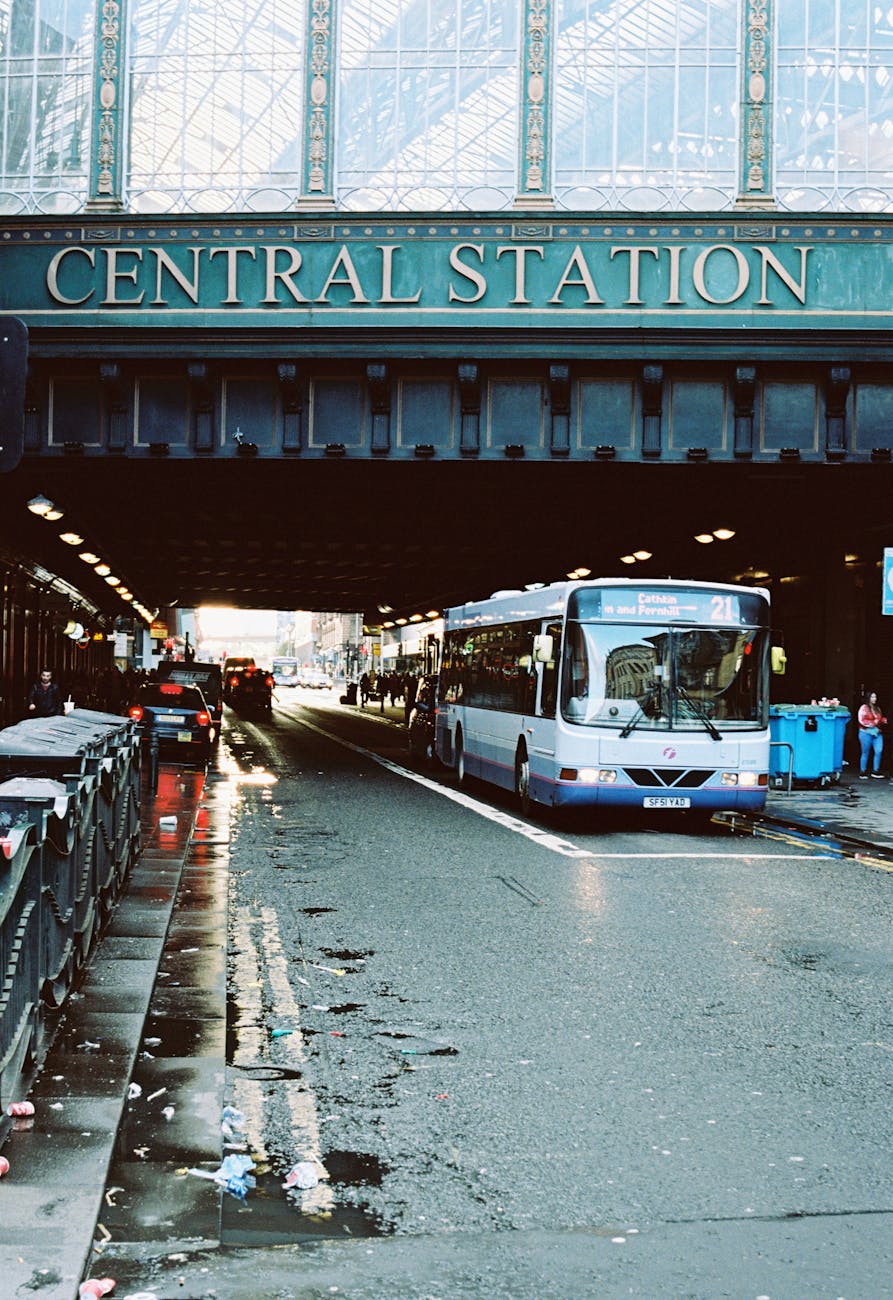
How the User-Pays Principle Can Pay for the Potholes and Drive Sustainable Transport in Glasgow
The Bumpy Road Ahead: Rethinking Glasgow’s Urban Mobility
Stop spending money on our landscaping, cycling, community groups, and welfare, and fill all the bloody potholes; this will save all of us motorists money that we can invest in the economy, and we will go back to the land of milk and honey……so the story goes.
So how much money needs to be spent to meet the needs of motorists in the UK?
Calculating the cost is not straightforward; the funding pots for road maintenance, road repair, and road building are salami sliced in many different ways – between local and national government. so trying to get one figure is complicated.
To give an idea of the problem though, two bodies pushing for more funding are The Asphalt Industry Alliance (AIA) and the Chartered Institute of Public Finance and Accountancy (CIPFA).
The AIA 2023 Survey found that England and Wales’s local road maintenance backlog has hit a record £14 billion. After accounting for inflation, the shortfall between current funding and what’s needed to prevent further decline jumped another £1.3 billion in 2022/2023.
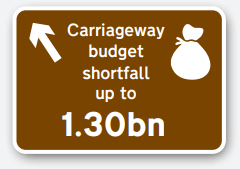
Furthermore, CIPFA 2023 Local Authority Road Maintenance Survey: , found that the average shortfall in the 2022/23 carriageway budget across England and Wales increased to £7.7 million per local authority.
Then, in 2023, the RAC Foundation reported that the number of potholes reported to councils in the UK increased by 23% between 2021 and 2022, highlighting the growing problem of road damage.
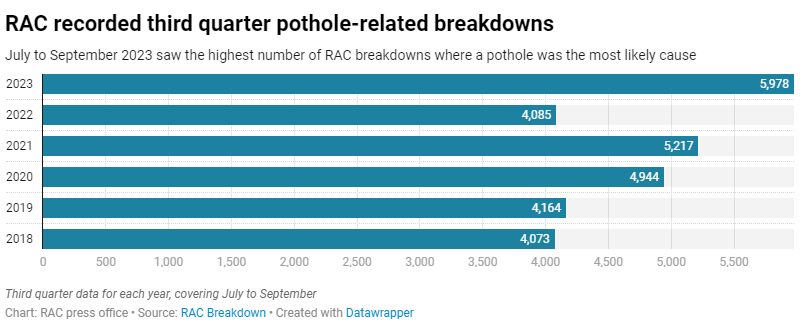
This raises a range of questions (never why), the core question is how do we pay for this growing bill for ensuring our insatiable appetite for more and larger vehicles is paid for and at what cost – air pollution, climate change, road safety and of course, we are constantly told we don’t have a magic money tree for schools, care, welfare etc. so how do we pay for our roadways – “let the market decide” is what our Capitalist idealists would say.
This blog post advocates for a user-pay system this is what our Capitalist idealists argue for healthcare, education and welfare so let us look at roads.
Part 2 The Hidden Price of Tarmac: Uncovering the True Cost of Roads
The vast network of roads that cross the United Kingdom serves as a vital artery for economic activity and individual mobility. I’m not blind to the fact that roads are essential in society.
However, beneath the apparent convenience lies a hidden truth: the cost of roads extends far beyond what drivers pay at the pump or what they pay in excise duty.
This hidden subsidy distorts public perception and masks society’s significant financial and environmental burdens.
Building and maintaining roads in the UK is a significant financial undertaking. The Department for Transport estimates that in 2021-22, the government spent over £27 billion on national highways and local roads combined. However, the financial burden extends beyond these direct costs.
A report by the Institute for Fiscal Studies (IFS) reveals that the total costs associated with roads in the UK, including environmental impacts and accidents, are estimated to be around £750 per person per year, however even this figures in contested. See the image and link below.
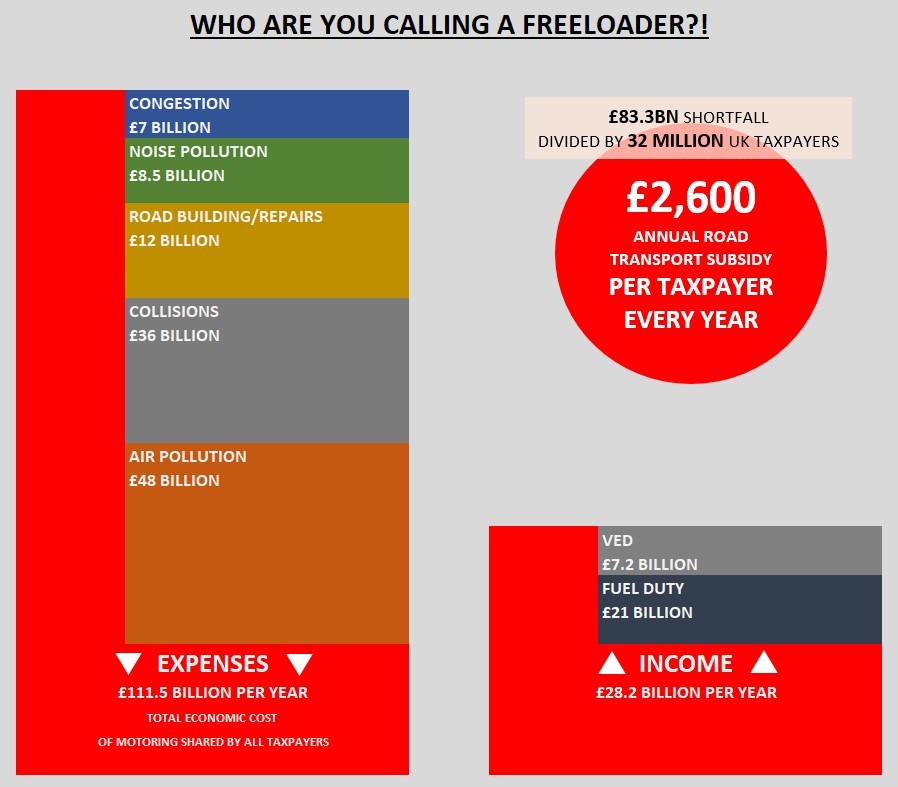
This IFS report also states that “motoring raises around £40 billion a year for the exchequer (around 5% of government revenue).” Still, the difference between the revenue generated through taxes paid directly by drivers, such as fuel duty and vehicle excise duty and the broader negative issues – congestion, air pollution, climate change, road traffic incidents, and quality of life for people near roads is challenging to quantify in any general way.
People often look at the £40billion and say it covers £27billion , but that is before the long term and wider environmental and social costs are taken account if ever.
This evidence helps my argument that the current system disproportionately distributes these costs.
While drivers pay directly through taxes and fuel costs, the burden extends to everyone, regardless of whether they own a car. Pedestrians, cyclists, and public transport users face the environmental and health consequences of road use, such as air pollution, noise, and pedestrian accidents, without directly contributing to the financial costs.
This inequitable distribution creates a hidden burden for a significant portion of the population. After all, in Glasgow 40% of adults don’t drive or even have a car.
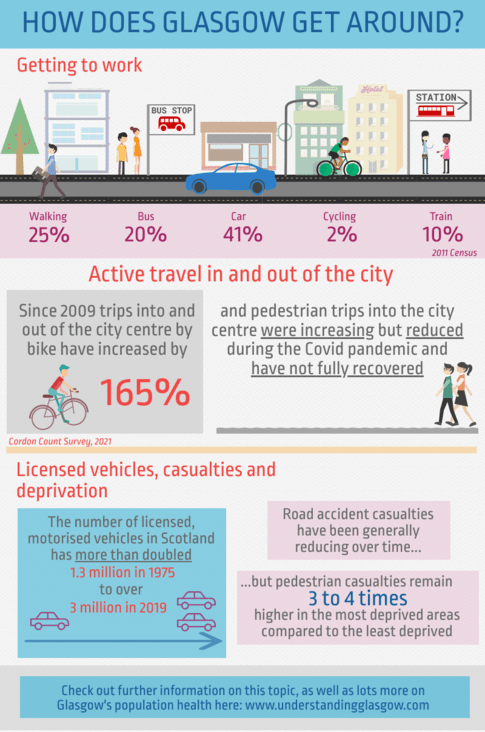
Shifting towards a “user-pays” system could address these financial and environmental imbalances.
Methods people are becoming familiar with in the UK such as the congestion charge in London or the LEZ in Glasgow do directly connect the cost of motoring to the individuals who benefit from it. They have shown to potentially incentivise more efficient driving habits and encouraging the adoption of cleaner transportation alternatives like cycling, walking, and public transport.
Transitioning any other pricing methods will encounter challenges, such as potential concerns about fairness and affordability. As I have shown, in the evidence above, reform is needed as no one is happy with the current situation of poor roads, congestion and terrible social and environmental outcomes.
A User-Pay principle relative to motoring can help create a more transparent and equitable system that reflects the actual cost of roads and can be crucial for long-term financial and environmental sustainability and will more effectively serve society’s needs.
Part 3: The User-Pays Principle: A Fairer Way to Fund Our Roads?
Imagine paying only for the roads you use. That’s the simple idea behind the user-pays principle.
We often hear it when right-wing think tanks talk about health care, education and welfare to avoid paying taxes and supporting universal services. However, they never argue the same principles for roads.
So why is User Pays fairer for all? The key difference from Education and Healthcare is understanding the purpose of motoring. It is one form of transport, one tool amongst many, and, to such an extent, it has severe negative consequences.
The user-pays principle addresses the funding gap by directly aligning costs with usage. So, if you hardly drive, you hardly pay. If you drive every day, then you pay everyday. Just as someone who get the train or the bus pays per ride.
The first question I hear you ask is, who does this? The second, does it work?
Firstly, who does it?
- France: Autoroutes Service – https://www.autoroutes.fr/index.htm?lang=en
- Italy: Autostrade – https://www.autostrade.it/en/la-nostra-rete
- Spain: Audasa – https://www.audasa.es/la-autopista/
- United States: Many states in the US have extensive toll road systems, including turnpikes, expressways, and bridges. Prominent examples include:
- Florida’s Turnpike System
- The Northeast corridor (New Jersey Turnpike, Pennsylvania Turnpike, etc.)
- Toll roads in Texas, California, and other state –
It is so expensive they even have partner companies to join up fees – https://bestpass.com/strategic-partners/tolling-authorities
- China: China has a rapidly expanding expressway network, with a vast majority being tolled. More info – https://eugene.kaspersky.com/2023/12/14/china-2023-in-praise-of-chinese-highways/
- India: India is quickly developing national highways and expressways, many of which are tolled. – https://tis.nhai.gov.in/
- Japan: Japan has a significant network of toll expressways. https://www.japan-guide.com/e/e2354.html
- Singapore: Singapore has an Electronic Road Pricing (ERP) system, with charges varying by location and time of day.

Second, does it work?
Let’s jump into a case study at the national level.
According to Statista, in 2018, French Motorway companies generated 10.47 billion euros on the French Motorway network of 9,173.7 kilometres.
To Summarise with a table
| Description | Value |
|---|---|
| Total Revenue (2018) | €10.47 billion |
| Total vehicle-kilometres travelled | 95.0 billion vehicle-kilometres |
| Revenue per vehicle-kilometre | €0.11 per vehicle-kilometre |
Let’s calculate:
- Revenue per vehicle kilometre= 10.47 billion euros /95.0 billion vehicle kilometres
- Revenue per vehicle kilometre =0.11 euros per vehicle kilometre
This calculation provides the revenue generated per vehicle-kilometre travelled on the French toll road network.
It’s important to note that this is an average figure. The actual revenue per vehicle can vary based on factors such as the type of vehicle, the distance travelled on toll roads, and the specific toll rates applied.
The user-pays principle offers benefits beyond just financial fairness. This approach can encourage more sustainable and responsible transportation choices by potentially discouraging unnecessary road use through targeted fees. This includes carpooling, cycling, using public transport, or walking, all of which can contribute to lower vehicle emissions and reduced air pollution, leading to healthier communities and a cleaner environment.
This is a high level look at one system related to user-pays principle. It can be much more complex and nuanced. It does have potential benefits and drawbacks that must be carefully considered. It also shows that how a levy can fill the current finance gap identified in the introduction.
Part 4 Environmental and Social Benefits of Reduced Road Use.
It doesn’t seem a day goes by without another dumb article from the Express, Mail, or “local” news site lamenting low emission zones and low traffic neighbourhoods or projects such as Glasgow Avenues projects.
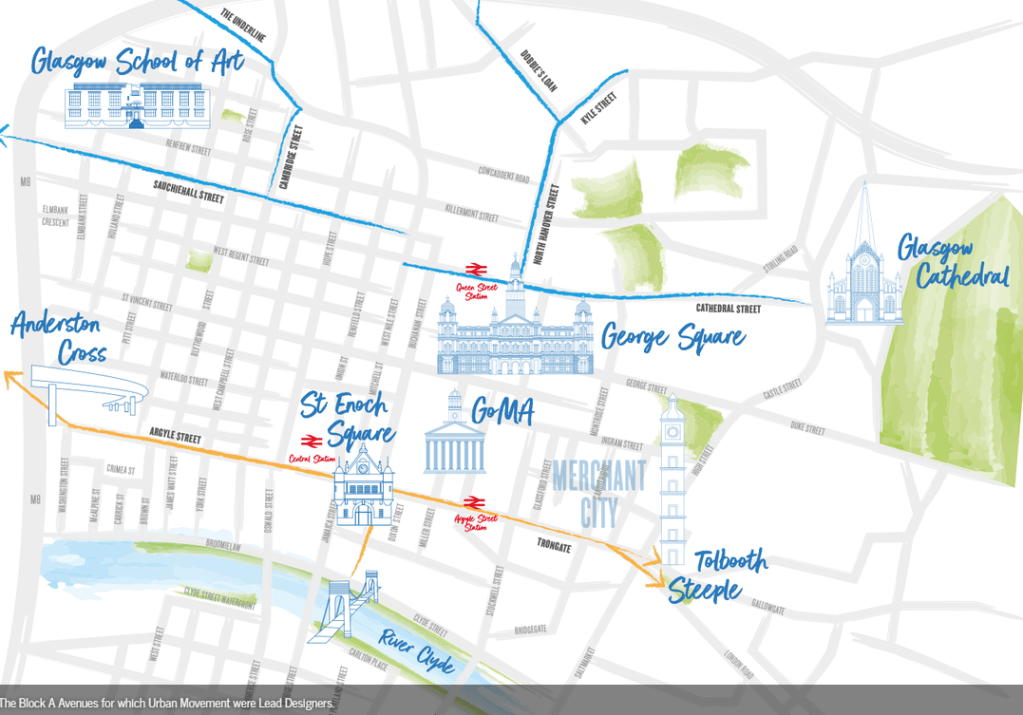
They always focus on grumbling locals who find the idea that life on earth doesn’t revolve around cars. They find it mind-blowing that people live by roads and streets might want something nicer than a car sewer. Many have really perverse logic that , bike lanes, slowing traffic and planting trees and flowers and pedestrianising streets is actually the cause of environmental destruction and road deaths.
By this logic, driving fast, reducing urban areas to a sea of tarmac is the solution.
Reducing road use is essential for achieving significant environmental and social benefits. This really should be an obvious statemen, but look at at any Facebook post on traffic management.
The UK is a sedentary, overweight nation whose healthcare system is buckling under the weight of pressures due to unhealthy choices – brought about by bad systems – primarily Motoring and Food.

Research consistently shows that reduced vehicle emissions improve air quality and public health.
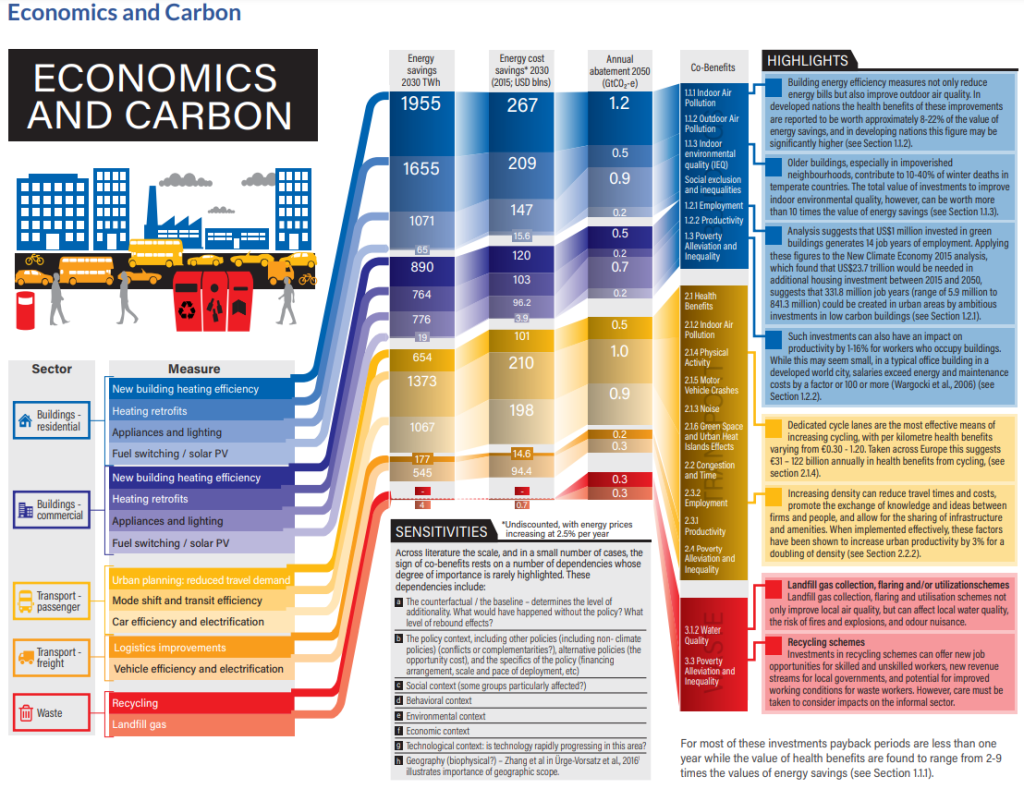
Furthermore, reduced road congestion contributes to lower noise pollution and stress levels among urban residents, enhancing the overall quality of life. The Centre for Research on Energy and Clean Air (2020) reported that during periods of reduced road traffic, major cities worldwide observed a 20-30% improvement in air quality, leading to fewer respiratory and cardiovascular issues among the population.
Decreasing road usage not only mitigates environmental degradation but also fosters healthier communities. Improved air quality correlates with lower rates of asthma, bronchitis, and other respiratory conditions.
Additionally, less congested roads encourage physical activity, such as walking and cycling, further promoting public health.
From a social perspective, reduced reliance on personal vehicles can lead to more vibrant and accessible urban spaces, fostering community interaction and connectivity. Moreover, the environmental benefits of reduced greenhouse gas emissions contribute to the global effort against climate change, ensuring a more sustainable environment for future generations.
The evidence underscores the need for policies discouraging excessive road use, such as targeted taxes and fees.
Implementing congestion charges, increasing tolls for high-emission vehicles, and investing in sustainable public transportation can incentivise individuals to reduce their reliance on personal vehicles. Such measures alleviate the immediate environmental and social issues associated with road congestion and align with broader sustainability goals.
By prioritising investments in infrastructure that supports alternative modes of transportation, governments can create a multiplier effect, enhancing the liability of urban areas while addressing critical environmental challenges.
This is the WHY Glasgow should introduce user-pay principle into its road network.
Part 5 How can Glasgow do this?
In Glasgow, implementing user-pay systems, such as road pricing or congestion charges, presents challenges. These include public resistance due to perceived unfairness or financial burden and logistical issues related to system implementation and enforcement.
Acknowledging these challenges is the first step towards developing a successful user-pay strategy.
Glasgow councillors and MSPs have already had torrents of abuse and pushback on LEZ pricing, bus lane fines and even the prospect of a parking levy.
So, how can Glasgow implement road pricing?
Methodology
Let’s start with road tolls.
Glasgow can implement an automatic system that has been ongoing in many other countries. As mentioned, many suppliers provide RFID and sensors to capture vehicle data. Check Kapsch on how they do it.
- Glasgow City Council & Transport Scotland could implement tolls at strategic junctions around the city. I have chosen thirteen sites, as seen on the map below.
- I then assigned an arbitrary price based on UK Gov Vehicle definitions, found at https://roadtraffic.dft.gov.uk/about. I deliberately made buses and coaches cheaper to ensure mass transit was not penalised and that larger vehicles cost more. This could have the potential benefits of driving more onto freight or out-of-town distribution centres, as identified in the Glasgow Transport strategy.
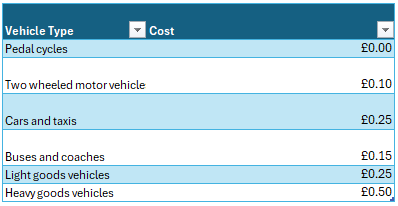
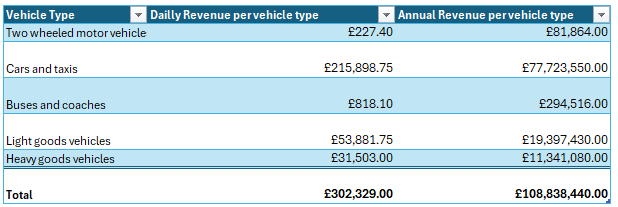
Using the Count data from https://roadtraffic.dft.gov.uk/#6/55.254/-6.053/basemap-regions-countpoints, I multiplied the counts by my cost to provide a potential revenue.
Vehicle Type
Analysis:
So, what does this data mean? Well, for people coming from the suburbs of Renfrewshire or East Renfrewshire, a person driving to the city centre would pay 0.75p, and if going through the city centre to Edinburgh via the M8 would pay £1.50 or only 0.75p, going via the M74. The personal outlay for using the infrastructure is minimal relative to the cost of using rail infrastructure.
As can be seen, introducing the fee can have a significant revenue stream for the local authority or Transport Scotland.
Due to the pressures on local budgets, my preference would be for local authorities to be in receipt of the entire revenue pot, minus the upkeep of the tolls, which could be run centrally via Transport Scotland. This could allow the implementation of hardware, traffic control, etc, to be managed and maintained centrally.
In contrast, local authorities can leverage different price structures to meet their needs.
The data underscores the potential for significant revenue generation from tolls, which could be reinvested into Glasgow’s transportation infrastructure, contributing to road maintenance, improvements, and public transport enhancements.
Based on the Annual Status and Options Report Roads Infrastructure November 2023, this revenue stream would triple the investment required to maintain our roads infrastructure in its current condition (steady state), which is estimated at £30.95m per year; this equates to an annual investment of 0.68% of the total asset value.
The £ 108 million figure I have mooted can be achieved. Being made up of a nominal fee of less than £1, I assume this is an acceptable cost to absorb for motorists relative to other expenses. For instance the average price per litre is £1.46 for petrol, and this gets you around 8 miles and yet people continue to buy larger and hungrier vehicles.
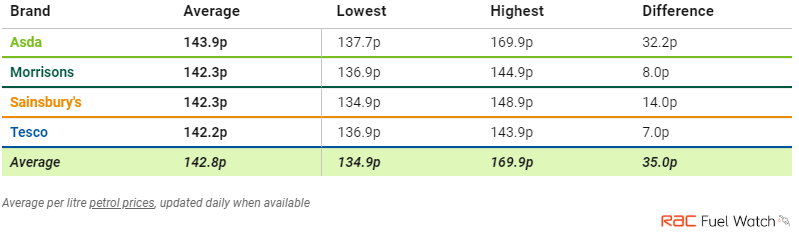
Based on this cost, the notion that people would spend more time and cost on petrol to find alternative routes is a redundant argument so I believe the headline figure wouldn’t be a pipe dream.
Tolls would have other positive consequences other than just revenue generation, traffic management is another.
What this cost might do for some, though, is give people the incentive to park and ride more, or for ScotRail and Transport Scotland to provide other incentives to ensure Road/Rail/ Buses/ Subway are interlinked to move the most amount of people as efficiently and effectively as possible at the least cost to our environment.
This potentially drives more demand for mass transit. Significantly, if such a toll system was extended to other local authorities throughout the central belt.
A factor I did not build into my pricing was Environmental Considerations. Price of tolls could be defined by differentiating rates based on vehicle weight/size or fuel, rather than the standard UK vehicle type. Weight being one of the primary factors for the actual damage caused to the road.
The system incentivises the use of lighter vehicles. It could indirectly promote the use of more environmentally friendly transportation options, contributing to reduced emissions and improved air quality.
So, on reflection, the role of technology is pivotal in facilitating user-pays systems and improving their acceptance. Advanced traffic monitoring, automatic license plate recognition, and mobile payment solutions can simplify the user experience, making the system more efficient and less intrusive.
Glasgow can leverage these technologies to create a user-friendly, transparent, fair system. By integrating user-pay systems with existing public transport and mobility apps, Glasgow can offer residents and commuters a seamless, multimodal transportation experience that encourages the shift away from car dependency.
This change would facilitate Glasgow City Council in achieving its Transport Strategy.
Part 6 Another example, this time a city – Sydney
Can Glasgow look to another city with a country with similar economic and political values?
In Sydney, the user-pays principle has been applied to road funding through various measures, including toll roads and congestion pricing.
Reading the Transurban Industry Report 2021, I was interested in the analysis and data on road building, maintenance, and costs.
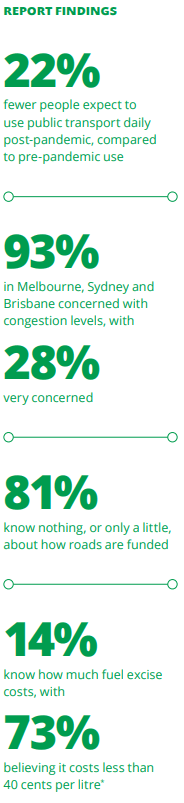
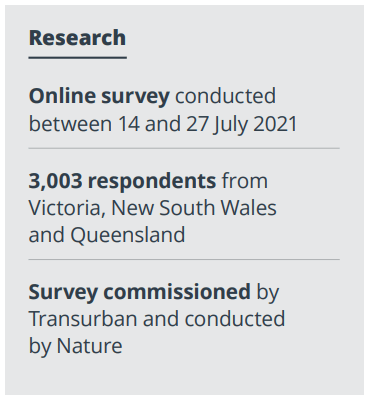
The report should show that tolls have contributed to a more sustainable and efficient transportation system.
The city has a toll road network that charges drivers for using certain motorways, bridges, and tunnels. This system generates revenue for road maintenance and infrastructure development but also helps manage traffic flow and reduce congestion.
The most notable example is the Sydney Harbour Bridge and Tunnel, where variable tolling charges are applied based on the time of day, effectively implementing congestion pricing.
This approach encourages drivers to travel outside peak hours, thereby reducing traffic during the busiest times of the day. The revenue generated from these tolls is reinvested into the transport system, including the maintenance of the bridge and tunnel themselves.
Also, Sydney has conducted road-usage trials to explore the feasibility of a charge-per-kilometre system. The trials found that this method was popular among participants, as it directly linked road use to payment, ensuring that those who use the roads more frequently contribute more to their upkeep. The study also suggested that such a system could be adjusted for congestion levels, with lower charges during off-peak periods. It could include investments in electric vehicle infrastructure and improvements to public transport and cycling/walking paths.
The Transurban Industry Report highlights that a road-user charge system could be a fair way to contribute towards road funding, with 64% of survey respondents believing it would be fairer than the current system. The report also emphasises the importance of applying concessions for low-income motorists and ensuring that all money collected is invested in transport, which increased favourability towards a road-user charge in 30% or more of respondents.
Sydney’s experience demonstrates that user-pay systems can improve road funding and reduce road use. By directly charging for road usage, these systems can incentivise more efficient travel habits and facilitate investment in alternative transportation options, leading to a more balanced and sustainable transport ecosystem.
Drawing parallels to Glasgow, similar approaches could be adapted and implemented to address the city’s road funding and congestion challenges.
Glasgow could take various pricing measures to ensure fairness and affordability, including peak and off-peak pricing variations and exemptions or discounts for specific user groups.
By learning from Sydney’s example, Glasgow could develop a user-pays system that supports the maintenance and development of its road network and encourages a shift towards more sustainable modes of transport.
This would align with the city’s environmental goals and the broader push for urban mobility reform.
Conclusion: A Roadmap for Glasgow
To conclude, this blog invites Glasgow’s local councillors and MSPs to seriously consider the pressing need to overhaul how we fund our roads. The current approach simply needs to be better. The rise in larger vehicles and the sheer volume of traffic are destroying our infrastructure, and the available funds are far from sufficient to meet motorists’ expectations for well-maintained roads.
The evidence and case studies highlighted throughout this piece aim to spark a broader conversation among Scotland’s public. We’re talking about shifting to a user-pays system to better finance our roads and encourage a move towards more sustainable urban living. This isn’t merely a suggestion for policy change; it’s a rallying cry for all of us to consider how we can contribute to forging a more sustainable, fair, and interconnected Glasgow.
This blog has delved into the multifaceted financial, environmental, and societal factors of road use and funding by advocating for a transition to a user-pays system. The existing model, which disproportionately burdens those who don’t even drive, needs to be revised regarding environmental impact and the ability to fund necessary road maintenance and improvements.
The success of the user-pays principle in cities like Sydney and countries worldwide offers a viable blueprint for change. By making those who use the roads most bear a fairer share of the costs, we can not only improve the state of our roads but also encourage healthier, more sustainable choices in transportation.
Such a shift has the potential to significantly ease traffic congestion, reduce emissions, and cultivate a more vibrant and connected community spirit.
Embracing this principle in Glasgow could fundamentally transform our relationship with our roads, leading the way to a future where our city grows more sustainable and ready to meet the challenges of urban development head-on.
This is an opportunity for all of us in the West of Scotland to engage in meaningful dialogue and take active roles in shaping the future of our city’s transportation landscape.
Some Further Reading: Pay as You Glas-Go:
- https://www.transport.gov.scot/media/47052/national-transport-strategy.pdf
- https://www.glasgow.gov.uk/CHttpHandler.ashx?id=55054&p=0
- https://www.strongtowns.org/journal/2018/8/3/toll-road-or-no-road
- https://www.marketurbanist.com/blog/the-case-for-embracing-tolls
- Raw Data from Excel Table – Traffic_Count_data_Revenue




 Horizon Glasgow
Leave a comment