
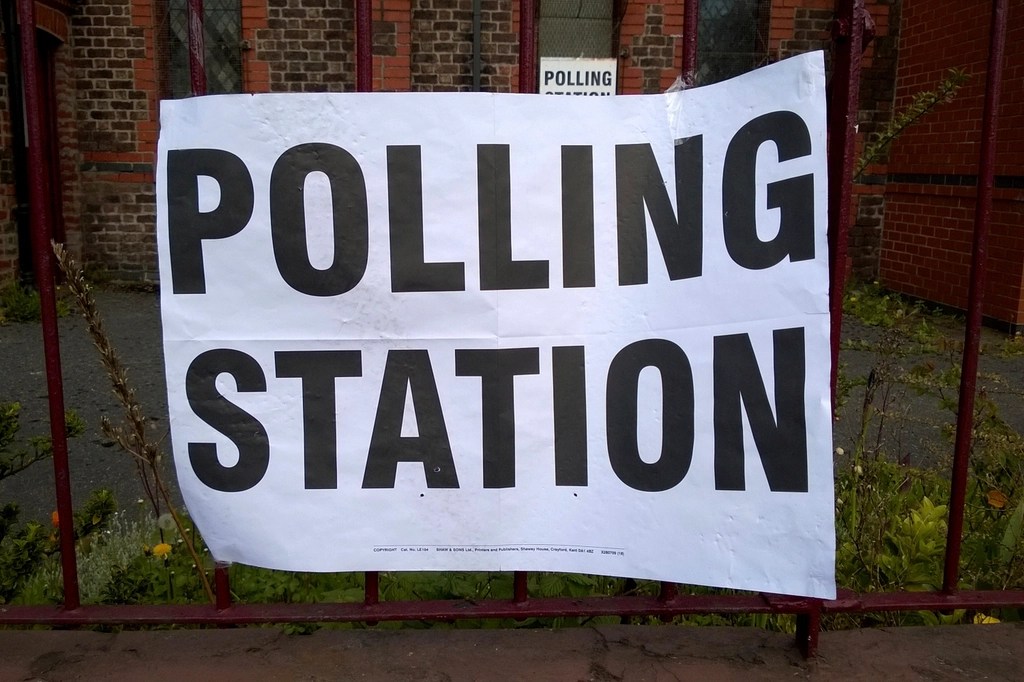
So, when Billionaire Sunak called the election when he did, my initial reaction was that he had had enough and wanted to get back to the California Sun. He hit the heights of British politics in a relatively short career, demonstrating no desire to improve the lives of many, but continue the rule by oligarchs and cement the nature of US & UK politics where the rich and powerful dictate policy from afar. In that regard, he had been a roaring success.
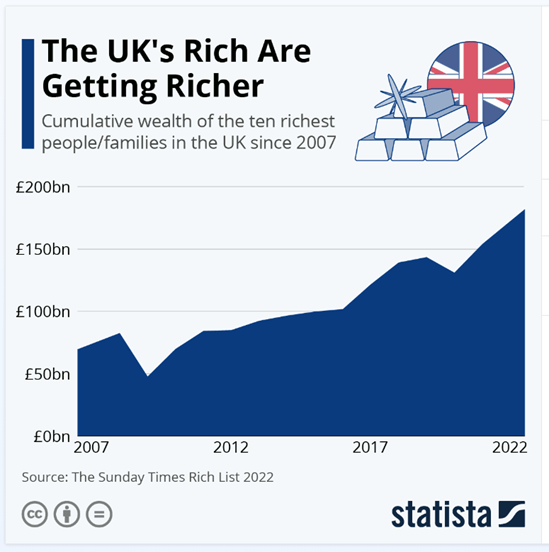
Figure 1 Statista – Times Rich List
For the next four weeks, my door was clearly a target for Labour, leaflets, letters, and social media ads, all continually hitting my face whether I wanted them to or not – all telling me I needed “Change”, but “Change” to what and how were never answered. The Tories, Lib Dem and almost all other parties were non-existent. Tories sent one leaflet decrying the SNP. Their whole identity is built around opposing something else. The Greens, however, with a few active, dedicated and hard-working activists, had hit my door with a positive vision addressing key issues – climate and inequality.
My friends and family spoke of tactical voting, however, I thought Labour would run out a massive majority irrespective of my vote, so I decided to vote on where my values align – the environment, equality, fairness and policies for the people.
Labours nodding heads, and sycophants have incredible discipline. A quick scan of their Twitter accounts shows almost no mentions of the words equality, climate change, or significant issues such as Gaza. This told me they were playing the career game and keeping to party lines. I don’t want an MP to toe the line. I want an MP with integrity and who will stand up for what is right. With this in mind, I had no interest in voting Labour in my constituency.
My musings on the election result then, and I must caveat this, are heavily influenced by Prof Sir John Curtice, as it confirmed a large part of my bias.
I believed Labour would win, not because of bold vision, but because everyone wanted to eliminate the Tories/ incumbent governments. Personal friends and family who I know are ideologically conservative, economically and socially would proclaim voting for Labour, yet an ask on policy, they would look to the sky.
In this post, I’ll discuss some points about the election and being a Green Member and minor reflections on where the Greens could/should go.
Point 1: A Historic Election
The 2024 UK election is historic for many reasons. Firstly, the low turnout and smaller parties and independents made a dent and helped create a landscape marked by political fragmentation.
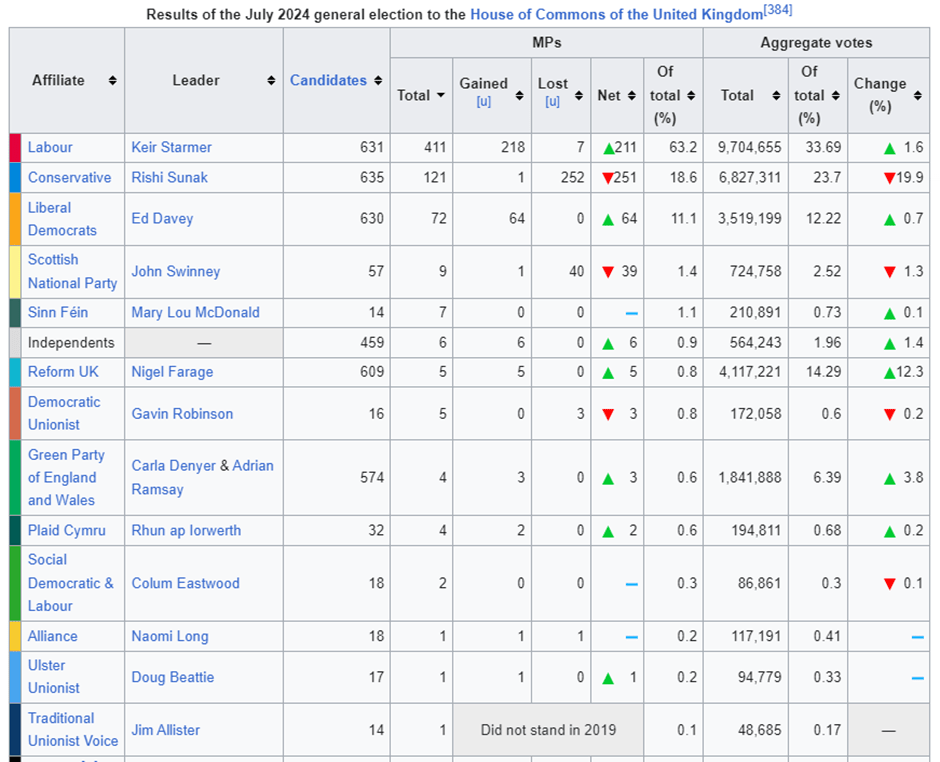
Figure 2 https://en.wikipedia.org/wiki/2024_United_Kingdom_general_election#Full_results
I sorted this table by total seats, and what can be seen is an embarrassing indictment of the first past the post system. Where Labour, for all the chanting, can be seen to have only increased the percentage of votes by 1.6%. So, to receive 33% of the vote and end up with 63% of the seats is clearly neither a mandate nor a ringing endorsement.
But this isn’t a discussion about the electoral system. It is about the why and what it means.
So why did Labour win? For me, like many folks, it is clear to see. The collapse of Conservative support.
To steal a Nadal phrase, they never won, the opponent just lost. Through unforced errors, the Tories failed regarding leadership integrity (Bojo) and economic policies (Truss). These are non-negotiable for maintaining voter confidence. The party’s failure to address these issues has weakened its standing and opened the door for the conversation to be “anyone but them”. This meant parties, including the Greens, had to present themselves as viable options for disillusioned voters in many places.
It is also clear that the slander spewed about the previous Labour leadership was not a driving force for Labour’s success.
As a member of the Green Party, this does give hope and opportunity. The public’s growing frustration with the traditional two-party system signals a readiness for change. That a party committed to sustainability, social justice, and transparent governance aligns well with the people’s desire for integrity and effective leadership.
Sunak suffered from this, and Starmer must prove that despite lying about his 12 pledges, his missions and his support for individual MPs such as Faiza Shaheen. He can deliver for the people of the UK.
Point 2: A Fragile victory
The public has an appetite for local politics, vision, and a desire to improve public services. People want to see a fair, local community with amenities and services being provided and a high street they enjoy. No point boasting about GDP if your high street has vapes, Greggs, sun bed places, and that’s about it.
Take Reform, for example. In his lecture “Has the 2024 Election Transformed British Politics?” lecture, Prof Sir John Curtice noted that for Reform supporters, it wasn’t, as the media obsessed about, migration that drove the Reform vote, but the state of the Economy and a care for the NHS and localism.

This observation suggests that Labour’s current lead may be more fragile than it appears. While Starmer has succeeded in making Labour more appealable to the centrist beige, his lack of a compelling, positive vision for the future limits his ability to solidify this support. So, it might be safe for now, but people will call him out if the party don’t deliver nationally or locally.
So, for the smaller parties, the vision must be clear and forward-looking and address the people’s core concerns: economic stability, public service reform, and environmental sustainability. Policies should not only criticise the failures of others but also offer solutions that appeal to folk seeking genuine change.
Point 3: The Rise of the Wee Parties
The rise of wee parties and voter fragmentation indicates a significant shift in the political landscape that the big two may not be fully prepared to address.
The 2024 elections are notable for the unprecedented presence of five political parties fighting for nearly all constituencies. This fragmentation is further evidenced by the substantial support for the Reform Party and the Greens and the Liberal Democrats maintaining a steady presence.
This trend reflects a broader dissatisfaction with the status quo. People are increasingly willing to explore alternatives outside the traditional Labour-Conservative dichotomy. This will lead to more diverse and representative governance but also presents challenges.
The notion of stable governance being the biggest is a red herring. This has been demonstrated by 14 years of upheaval from the Tories and the final 5 years of Blair & Brown regime. Dreadful policies, global events, and a lack of help for people.
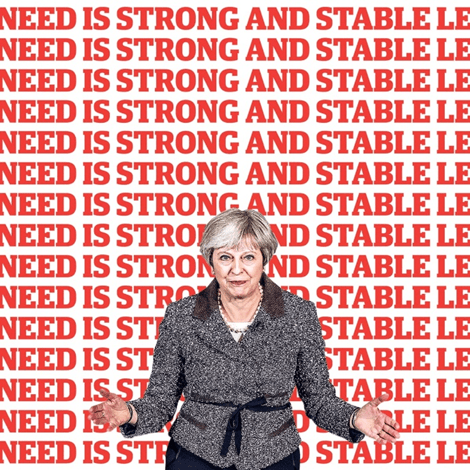
It is an odd concept to the British Parliament that people might think that parliament should represent all people and that deliberation, cooperation, and collaboration are better for decisions and have better outcomes than a “strong and stable” majority driven parliament ….hahah.
Like before, the Green Party stands at the forefront of this new political era. The thing that needs to be done is to harness this momentum and translate it into concrete electoral gains, reforming the voting system and parliament.
By focusing on local issues, engaging with communities, and building relationships, we can demonstrate that green policies are aspirational, actionable, and practical.
Point 4: NHS and Public Services
NHS, Water, Energy, Rail, Roads. It seems we hear that nothing seems to work in the UK, and people care about these services. They want to be able to hold service providers accountable and support local and regional management owned by public bodies.
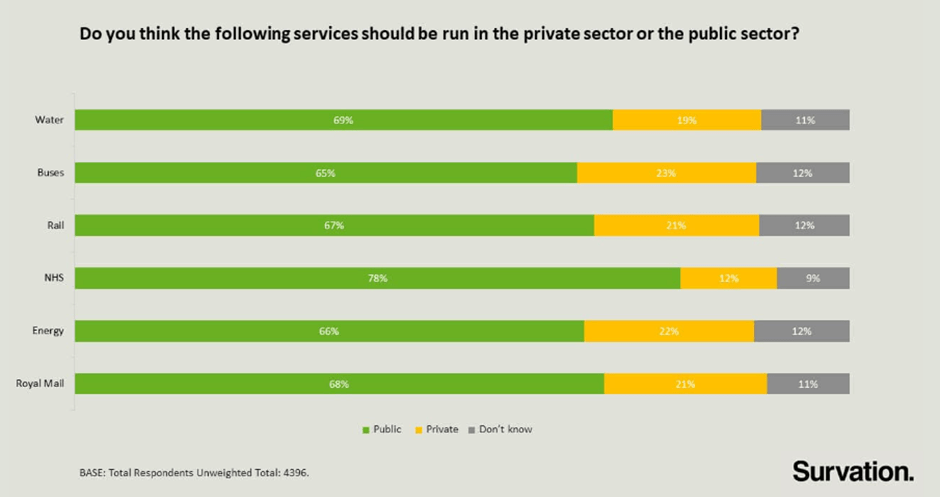
The survey demonstrates that people of all shapes, sizes and backgrounds across the UK support public ownership.
The Conservative Party’s focus on tax cuts, for me, is never scrutinised enough by our right-wing and extreme centrist media. The media fail to explain that if you cut taxes, “money in your pocket”, means services will be cut, and you will have to pay from your pocket. But the difference is those with the money buy bigger and more stupid toys…..see the growth of Land Rovers and other SUVs. The government should and is wanted by the people to support the NHS, schools, libraries, etc.
So, people saw through this chat and voted accordingly.
However, Labour’s promises have yet to fully convince voters of their capacity to manage the Economy and improve living standards.
Wes Streeting is desperate to court his future employers by signalling to the “market” that Healthcare is up for sale. He presents the argument in the same way private schools do. Private will take on those who can pay, freeing up capacity and capability for the public sector, it will be efficient and innovative and give the government the capacity to look after those who can’t afford.
The difference is this does not happen, and we don’t have a supply of Oncologists, Neurologists, Psychiatrists, and Dentists across all regions who can provide services and fill the gaps. You just reduce the capacity and capability of the NHS, further damaging the NHS. So will Labour fall into the trap of Government bad, Private good. We shall wait and see.
These out-of-touch and evidently poor policy positions from the centrist and Right-wingers present a challenge and an opportunity. Green and left policies must address these immediate concerns while promoting long-term sustainability.
We need to articulate how green economic policies—such as investing in the NHS, energy, promoting sustainable agriculture, and enhancing public transportation—can lead to economic resilience and improved public services and health. A just transition across all services from agriculture to oil and gas.
We can present a holistic vision that meets voters’ needs by connecting environmental sustainability with economic and social well-being. Already, policies like active travel help reduce demand for health care while supporting positive health and local economic outcomes.
Point 5: Scotland
Scotland’s political dynamics, particularly the SNP’s challenges, offer insights into the broader UK landscape.
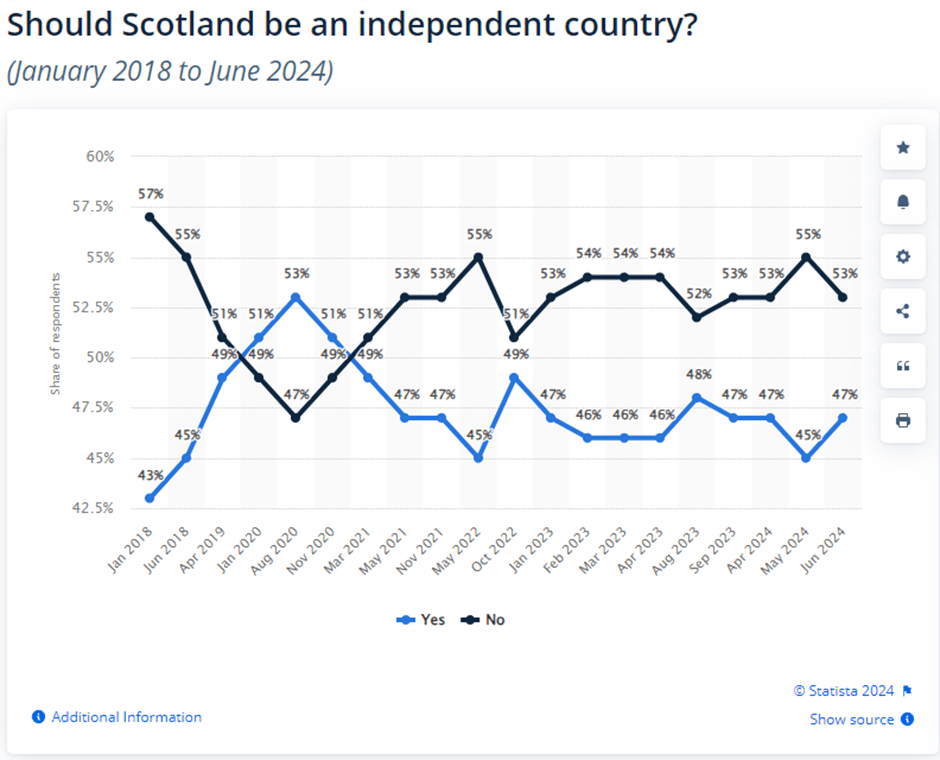
Figure 5 https://www.statista.com/statistics/1170409/scottish-independence/
As Figure 5 shows, The SNP’s decline is not due to waning support for independence but rather, clearly, the leadership issues and internal divisions of the SNP. Not to mention the constant barrage of stories about the SNP. I’d recommend following https://x.com/msm_monitor?lang=en to get another take on what many see as everyday news in Scotland. So, like in England, Labour’s resurgence in Scotland is mainly due to these SNP struggles rather than a significant shift in voter allegiance.
These dynamics highlight the importance of leadership and party unity in maintaining political support.
Corbyn suffered it, where the leadership attracted hundreds of thousands of new members and millions of voters. Still, many in the parliamentary Labour Party never supported or backed the leadership.
Ultimately, as identified by the Ford Report and the Labour files by Al Jazeera, much of the public perception was engineered by Labour factionalism, lies and smears, all too readily consumed and projected by right-wing media. Loughborough providing analysis, leading to many centrists to plump for the Tories or Lib Dems.
However, the potential for the parties around the UK to influence national outcomes, as voters seek effective representation that aligns with their values and priorities, still stands.
Just as Labour was wiped out in 2015 in Scotland by the SNP, if the Green Party, particularly in Scotland, demonstrate to people that they are competent, then a scenario of Left Wing Scots electing Green MPs is not a pipe dream and could create a radically different outcome like before.
The Greens must emphasise their commitment to unity, effective leadership, and addressing regional concerns.
By positioning themselves as a credible alternative to Labour and the SNP, Greens can attract voters disillusioned with the current options but remain committed to progressive and sustainable policies.
Final thought
In conclusion, the 2024 UK elections are pivotal in British politics. The decline of traditional party dominance, the rise of smaller parties, and the electorate’s focus on leadership and public service effectiveness all signal a shift towards a more diverse and dynamic political landscape.
For the Green Party, this is a moment of opportunity. By staying true to our principles and offering clear, actionable solutions, we can play a crucial role in shaping the future of UK politics.
https://members.greens.scot/join


 Horizon Glasgow
Leave a comment