
Discover how communities can build climate confidence through practical action. Learn why local engagement, not just policy, drives real climate progress from Glasgow’s frontlines.
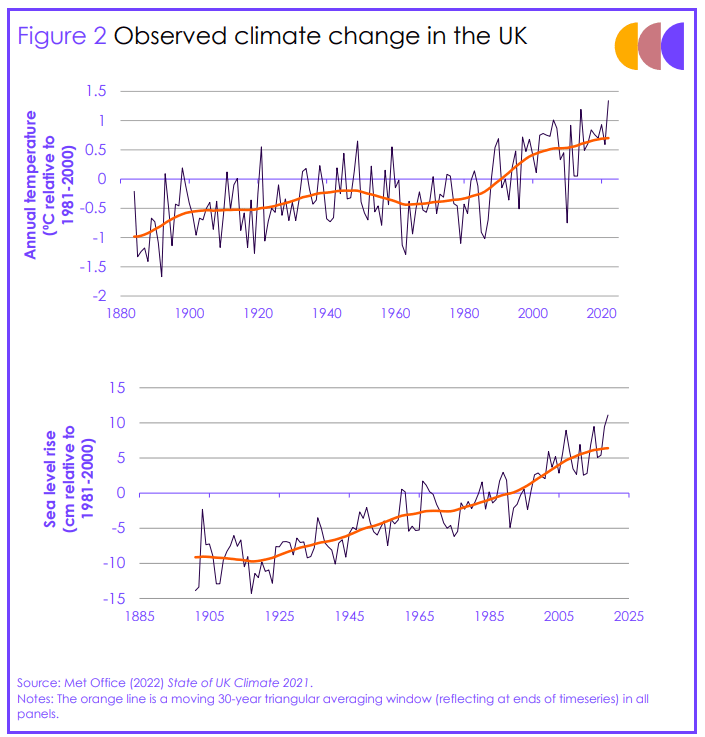
This May, Scotland experienced what BBC’s Chris Blanchet called “weather whiplash” – glorious sunshine followed by torrential downpours that left streets flooded and communities scrambling. These extreme weather swings are becoming our new normal, but they’ve also sparked an important question: how do we move from climate anxiety to climate confidence?
Recently, I spoke at a Scottish Council for Voluntary Organisations (SCVO) event about “Growing in Climate Confidence, Falling in Love with the Future.” As Chair of Glasgow Eco Trust, I’ve spent years working with communities who are doing exactly that – building confidence in our collective ability to create a better future.
Here’s what I’ve learned about turning climate hope into climate action.
What Does “Climate Confident” Actually Mean?
Climate confidence isn’t about blind optimism or pretending the challenges aren’t real. It’s about having the tools, relationships, and mindset to face the climate crisis with clarity and courage.
A climate confident community knows its flood evacuation routes and its local food networks. It’s neighbours who ask tough questions about clean air policies and safer street initiatives at council meetings – and get taken seriously. It’s practical, not performative.
Climate confidence means momentum, not certainty. It’s having enough trust in each other and our shared direction to keep moving forward, even when the path isn’t completely clear.
At Glasgow Eco Trust, we’ve discovered that effective community climate work must be three things: practical, patient, and local. But it’s also part of something much bigger – a national and global movement rooting climate action in real places, with real people, taking real action.
The key insight? We need to stop treating hope like a feeling and start treating it like a method.
Why People Drive Everything (Not Just Technology)
Here’s what I’ve learned from a decade of project management and community leadership: people make culture, and culture drives change.
You can install the fanciest technology and draft the most comprehensive policies, but without trust, connection, and shared purpose, you’re building on sand.
Reflecting on the team at Glasgow Eco Trust, we don’t just run projects – we build relationships. Our volunteers, staff, and board members create a sense of shared purpose, channelling our collective energy toward positive climate action.
This relationship-first approach connects us to 18 organisations through the Dumbarton Road Corridor network. We partner with groups like Stop Climate Chaos Scotland, Circular Communities Scotland, and local organisations, including Glasgow Wood and the Glasgow Community Food Network.
We’ve learned that no single group changes a city alone. It takes aligned ambition, shared learning, and respect for knowledge held across all backgrounds and experiences.
Our volunteers shape how we work by hosting Community Climate Action Forums, where we learn directly from people in our neighbourhoods. This keeps us both grounded and innovative.
Research from Scotland’s Climate Action Hubs supports this approach. They’ve found that community-led action goes far beyond awareness-raising – it builds resilience, ownership, and lasting change. Empowered communities adapt faster and maintain progress longer.
Do we get everything right? Absolutely not. But the biggest risk is doing nothing. Our board stays deliberately flexible and action-oriented, with no inflated titles – just people supporting what needs to be done.
That’s where confidence begins.
Culture Shifts Before Infrastructure Can Follow
Scotland has plenty of climate strategies. What we’re short on is delivery, especially for climate adaptation. The 2025 Climate Change Committee report was blunt: progress is too slow, planning too fragmented and monitoring too weak.
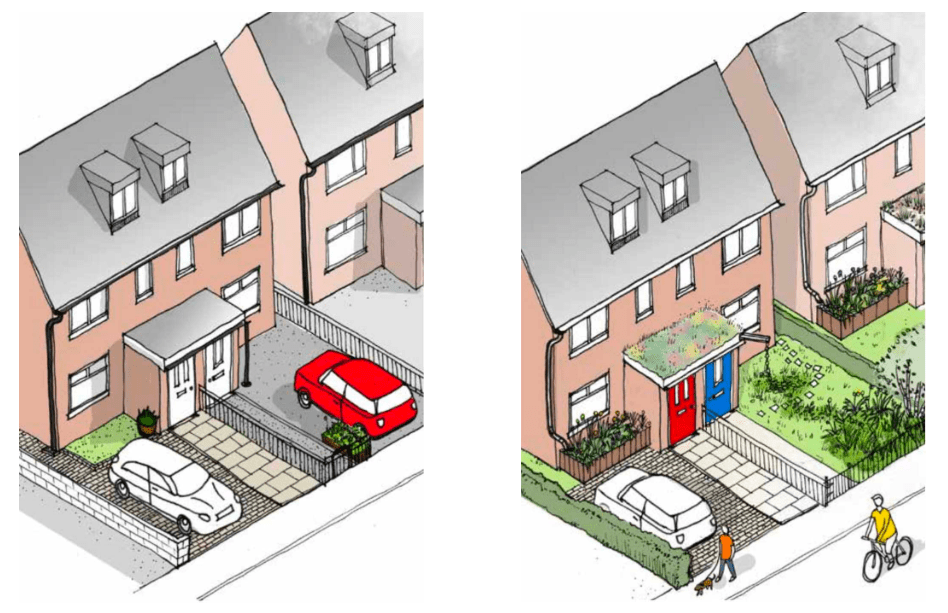
But here’s the thing – we know what good climate action looks like. Rain gardens on school grounds. Community-owned renewable energy. Home retrofits and repair hubs. The “10,000 Rain Gardens” initiative shows what’s possible when projects are designed with people, not just for them.
We’re not short on technology. We’re short on confidence.
I believe we can figure this out together. When people at all levels engage in deciding what needs to happen, projects stewarded with care can deliver results. Over time, that confidence becomes culture.
The Progress in Adapting to Climate Change report found that “No outcome shows evidence of good delivery” across climate projects. That’s a damning assessment, but it doesn’t have to be our story.
Culture isn’t what we declare – it’s what we normalise. In Glasgow, that culture is forming in community gardens, repair cafes, tool libraries, climate hubs, and conversations in local halls. It’s not loud, but it’s real.
Infrastructure alone won’t save us. People, place, and purpose will.
Fairness Isn’t Optional – It’s Essential for Success
Climate action without fairness doesn’t just fail morally – it fails practically. When people feel they’re paying more than they’re gaining, they disengage. We can’t afford that, especially when bad-faith political actors exploit any sense of unfairness.
Oxfam research makes this clear: the poorest communities have contributed least to the climate crisis but often suffer its worst impacts. A warm home, clean air, affordable transport, and meaningful work shouldn’t be luxury items – they should be baseline rights.
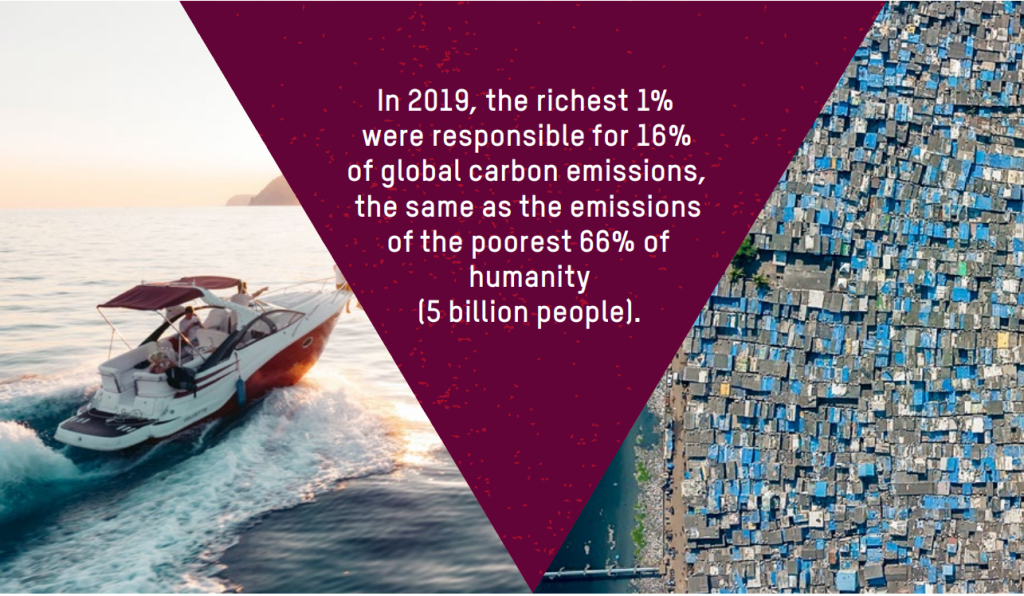
Climate policy that uplifts the most marginalized communities is also the most durable.
Whether it’s retrofitting homes, offering free heat pumps to low-income families, or bringing young people into decision-making, we must embed fairness as a design principle, not an afterthought.
A just transition in Scotland means backing the communities most affected – from former industrial towns to diverse inner-city neighbourhoods.
This means talking to communities, not about abstract concepts like “emissions mitigation” and “resilience planning” but about children walking safely to school, breathing clean air throughout the city, and accessing healthy, affordable food that’s good for both people and the planet.
Your Next Steps: From Climate Anxiety to Climate Action
Here’s my challenge to you: stop seeing climate action as a sacrifice or “going backwards.” Start seeing it as building community, courage, and possibility – making our communities safer, cleaner, more connected, with lower energy and transport costs.
Here are three specific ways to get started:
- Connect Locally
- Join an existing climate group in your area (search for “climate action [your town]” or “transition town [your area]”)
- Attend one local council meeting about climate or transport issues
- Visit a community garden, repair cafe, or tool library near you
- Take One Practical Action
- Start one day a week, with meals of local veg, fruit and grains, and compost the waste.
- Switch one car journey per week to walking, cycling, or public transport
- Attend a skills-sharing workshop (repair, growing food, energy efficiency)
- Share Your Skills
- Offer one skill you have to a local climate group (admin, social media, gardening, teaching)
- Host a conversation with neighbours about local climate issues
- Support one community climate project through volunteering or donation
The specifics matter less than starting. What matters is moving from worry to action, from individual anxiety to collective confidence.
Building the Future, We Want to Live In
Glasgow’s climate future won’t be built by strategy documents or carbon targets alone. It’ll be built by people who believe their street, their neighbourhood and their community is worth making better.
People who understand that falling in love with the future – ensuring our children and grandchildren inherit a good life – means getting our hands dirty today.
When I imagine 2050, I don’t see flying cars or AI utopias. I see something quieter but more revolutionary: cities with cleaner air, safer streets, richer biodiversity, and people with shared purpose living in harmony with their neighbours and their environment.
That vision isn’t fantasy. It’s a question of confidence – in our communities, in each other, and in our ability to make the future something worth falling in love with.
The weather whiplash will continue. But so will we, together, building the climate confidence our communities need to thrive.
Want to learn more about community climate action? Follow Glasgow Eco Trust’s work or find climate action groups in your area through Stop Climate Chaos Scotland’s network.





 Horizon Glasgow
Leave a comment