
Glasgow Eco Trust Chairpersons Report 2025
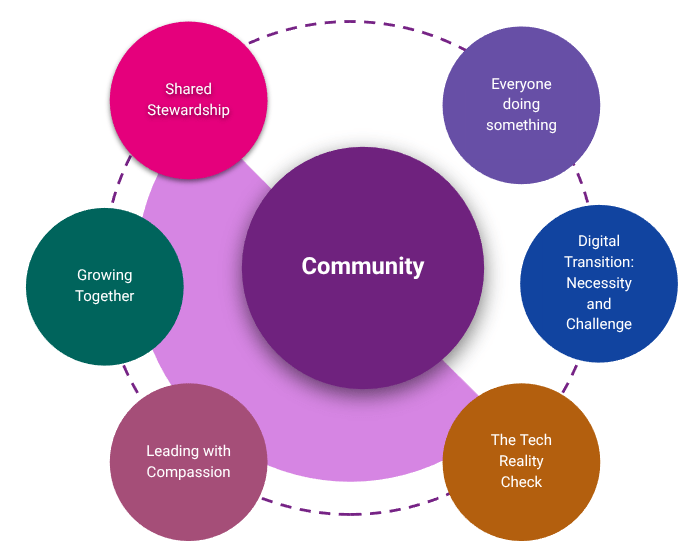
Illustration 1: One Value, Six Principles.
Introduction
Glasgow Eco Trust’s (GET)2025 AGM took place at the end of January, and I realised something: I hadn’t written anything on the site, in six months. I started writing to help myself process thoughts and ideas and to learn through researching what to write about. So this felt like the right moment to expand on the brief discussion I shared at the AGM and speak about what I believe matters most for GET future.
I’m starting with an illustration I’ve titled “One Value, Six Principles.” This essay relates to what I believe, GET stands for and the principles that, I believe, can guide not only our work but other community groups too.
The Core Value: Community
What I value, what GET values, is community: a collection of people brought together through shared space, place, and purpose. Community means people deciding collectively to make the area we share more liveable, enjoyable, safe, and sustainable.
The six principles that follow are the backbone of how I want us to live out that value.
Principle 1: Governance – Shared Stewardship, Not Red Tape
I’ve become cynical when I hear “pro-business” types call for ripping up red tape. That phrase, to me, really means tearing up workers’ rights, protections, and environmental protections and quality standards. Yes, balance matters. That’s where good governance comes in.
Good governance isn’t about adding bureaucracy. It’s about ensuring GET can keep delivering for the community. It means keeping our structures simple, ensuring our documentation reflects what we actually do, and doing what we say. When we engage with stakeholders, members, partners, funders, they need to trust that GET operates with integrity and knows how to do things the right way.
In practice, trustees hold the “big picture”: purpose, values, strategy, risk, and compliance. That includes meeting at the AGM, approving key policies, maintaining financial oversight, and managing OSCR and Companies House obligations. But it’s also about staying flexible and action-oriented. In a fast-changing climate and political context, the biggest risk is doing nothing.
Principle 2: Everyone Doing Something (And It All Counts)
We won’t reach local or national climate goals by waiting for perfect plans, perfect moments, or giving up because systems have failed us. Nor can we adopt a Thatcher-era mindset, denying that “we are society” and convincing ourselves individual action is meaningless.
Communities build resilience the way they always have: through many people doing many small, practical things, consistently.
That’s why GET is returning toward a member-led model, where members elect trustees, trustees provide governance and strategy, and day-to-day delivery goes to staff supported by volunteers and partners. It’s why we celebrate the often-invisible contribution: volunteers giving their time, communities hosting conversations, and people sharing skills that keep projects moving.
What This Looks Like
Over two decades, collective effort has created tangible outcomes:
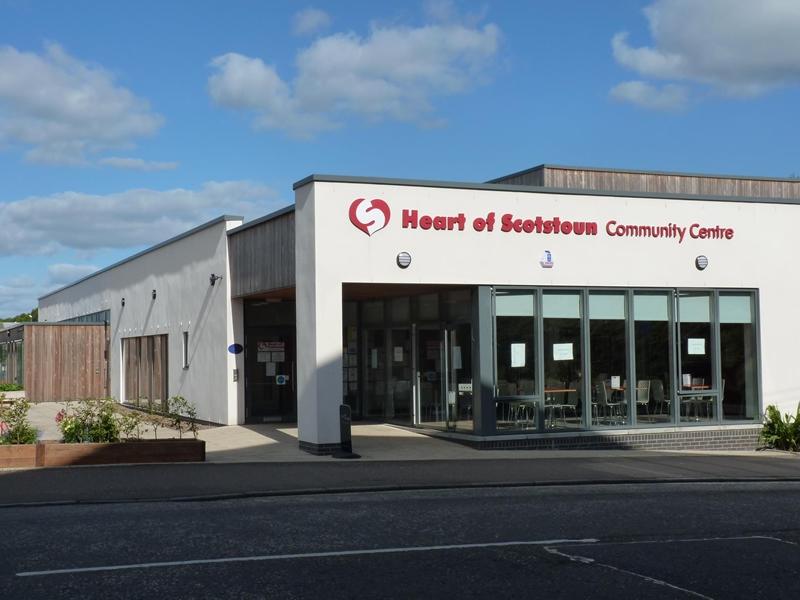
- Securing funding for the Heart of Scotstoun Community Centre (ownership transferred Spring 2022)
- Coordinating a successful community campaign against a proposed commercial waste incinerator on South Street
- Facilitating the creation of the Victoria Park Community Trust
- Developing an active travel and sustainable transport plan for Whiteinch and Scotstoun
- Growing De’ils On Wheels community bike workshop from an idea to a project that has received 5,500+ unwanted bikes, with nearly half refurbished and reused
- Supporting the Community Green Team programme: 120 regular and 640 occasional volunteers contributing nearly 18,000 hours
None of this happened because one person had all the answers. It happened because many people did their “something”.
Here’s a thought experiment: imagine walking through your community, into your supermarket, and asking: If everyone behaved like me, what would the world look like? That question gets to the heart of collective responsibility.
Principle 3: Digital Transition – Improving Service, Protecting Connection
I’ll be honest: as a younger person, I jumped at digital opportunities without thinking through the risks or implications. Now I’m more thoughtful about what and who technology actually serves.
GET has changed how we support and communicate with members. We are implementing a new membership platform to better manage members, improve communication, reduce admin burden, and automate renewal processes. We’ve also adopted project management tools, shared collaborative working environments, and trained staff on financial authorisations and system integration for better reporting.
But here’s the most relevant part: this technology matters precisely because it frees up capacity for work that can’t be automated, relationships, trust, and community presence.
We should digitalise admin where it genuinely helps. But human connection must stay at the centre because community climate action only works when people feel included and able to participate. This is what a “just transition” means: people brought along the journey, not told what to do, and left to cope with the consequences.
Principle 4: Tech and AI – Opportunity With Real Risks
Modern technology, including AI, can improve data handling, streamline processes, and use of time for community-facing work. Used badly or adopted without care, it widens inequality, excludes people who aren’t digitally confident, has environmental impacts and pulls focus away from what actually matters: culture and relationships.
Here’s my core belief: people make culture, and culture drives change. We can have excellent tools and brilliant plans, but without trust, shared purpose, and fairness, we’re building on sand.
A Bigger Picture
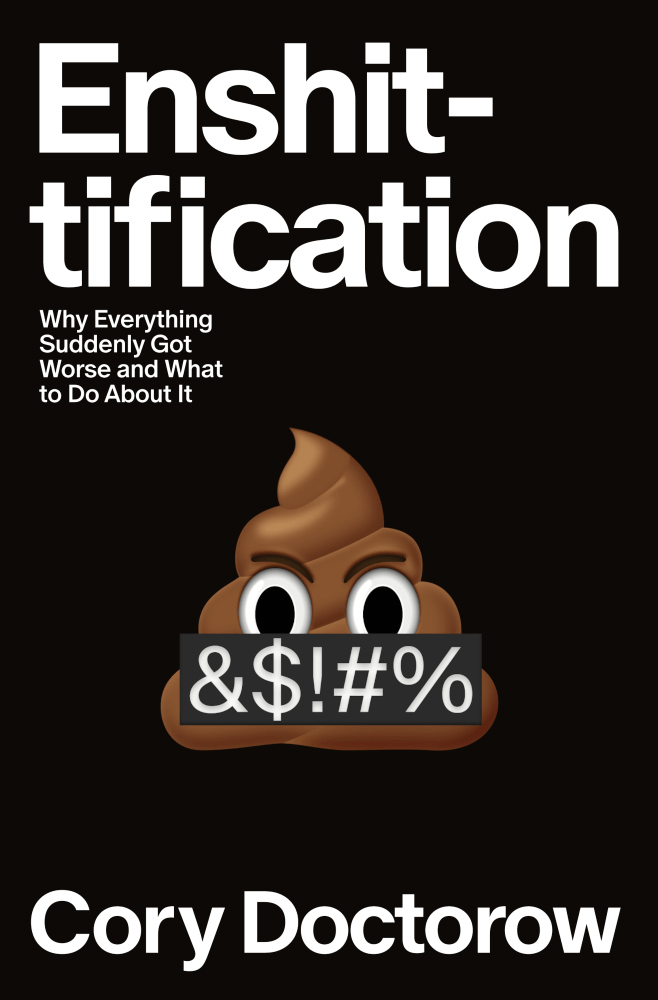
Over recent years, we’ve seen how corporate tech uses capital to monopolise and exploit people, governments, and small enterprises. Books like Enshitification by Cory Doctorow laid this bare in detail. Globally, it’s come home to roost. The Trump administration is leveraging US influence against allies. European leaders are now discussing digital sovereignty and security for their citizens and governments. France has adopted a policy to migrate away from US tech monopolies toward EU alternatives.
“Chris, we’re a local social enterprise. Why does this matter?”
Because of Principle 2: we all act and participate. So we all have agency. For GET, that means ensuring the digital products we use align with the values of the physical products we buy. We wouldn’t purchase bikes from a company complicit in genocide. So why ignore our email provider if they do it?

We’re now reviewing our digital providers to ensure they meet our standards.
Principle 5: Leading With Compassion, Kindness, and Solidarity
Many of us feel it: climate impacts bring grief, frustration, and fear. That shows up as local anxiety. But community is a powerful medicine, especially when expressed through compassion, patience, and practical solidarity.
For GET, this isn’t abstract. It looks like:
- Coffee and repair sessions on the cycle network
- Bike workshops, teaching skills and building confidence
- Growing projects connecting people to the land
- Forums and conversations where people learn, act, and support each other
When we do this well, we’re not just reducing emissions or improving streets. We’re building the confidence that change is possible together.
Principle 6: Building Resilience Through Practical Action
The final principle ties everything together: resilience comes from action, from doing something, however small, that moves us toward a more liveable, sustainable future.
Developing our relationships to collectively work together to achieve positive outcomes.
If you’re reading this and wondering what to do next, my ask is simple: stay involved. Bring someone with you. Keep doing your “something”.
That “something” might be:
- Volunteering your time
- Becoming a GET member
- Attending a local meeting
- Sharing a skill
- Having a conversation that turns worry and inertia into action
An Invitation
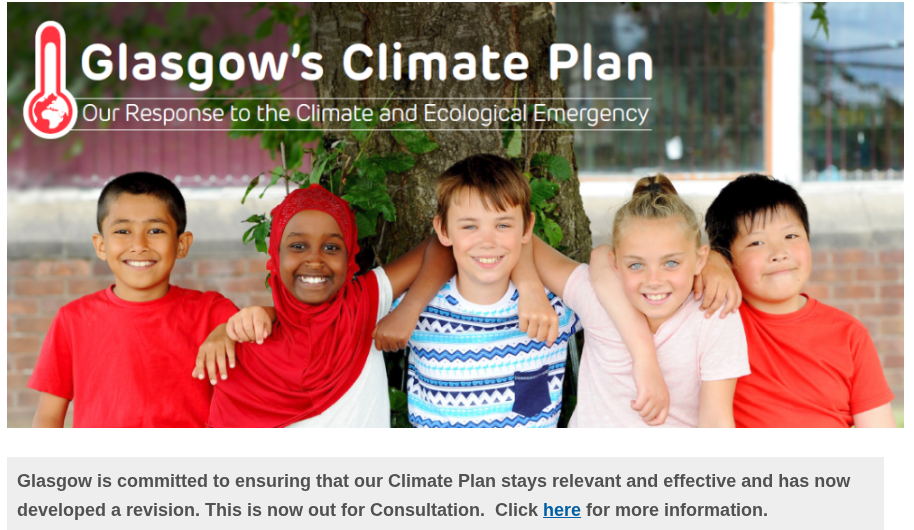
Our AGM on Saturday the 31st went well at Knightswood Community Centre, it included a Climate Ready Places session and an update on Glasgow City Council’s Climate Action Plan consultation.
Whether you’ve been part of GET for years or you’re curious about getting involved, please join us as a member, when we launch and support the continued good work.
Closing Reflection
Community climate action isn’t about waiting for societal change or perfect solutions. It’s about recognising that you, and all of us, can shift what’s possible.
The proof? It’s in the 18,000 volunteer hours, the 640 volunteers over time, the bikes repaired and reused, and the spaces transformed through collective effort. That’s what happens when many people do many things, consistently.
So thank you to everyone who has been part of Glasgow Eco Trust’s journey. And to those considering joining: we’re ready for you.


 Horizon Glasgow
Leave a comment