
The third sector, a pivotal societal player, comprises social enterprises, charities, and voluntary groups.
As the relatively new Chairperson of Glasgow Eco Trust (GET), I’m starting to navigate the sector’s landscape, and I want to ensure GET can bridge societal gaps left by our country’s economic failings and help many people on the brutal end of political choices.
Over the years, my professional experience has led me to adopt an Agile mindset, a philosophy rooted in adaptability and innovation.
In this write-up, I asked myself to look into the potential of using Agile principles within the third sector, envisioning more resilient, robust, and impactful services capable of fostering significant community led outcomes.
Part 1: Agile Explained:
Agile is often perceived as a project delivery framework. It goes beyond this definition to embody a mindset of adaptability, responsiveness, and continual learning.
Originating in software development, Agile is captured in the values highlighted in the Agile Manifesto, which prioritises human interactions, collaboration, and a readiness to respond to change over rigid processes and documentation. These attributes do not undermine the importance of processes but place a greater value on the human-centric elements of project management, making Agile universally appealing across various sectors, roles, and responsibilities.
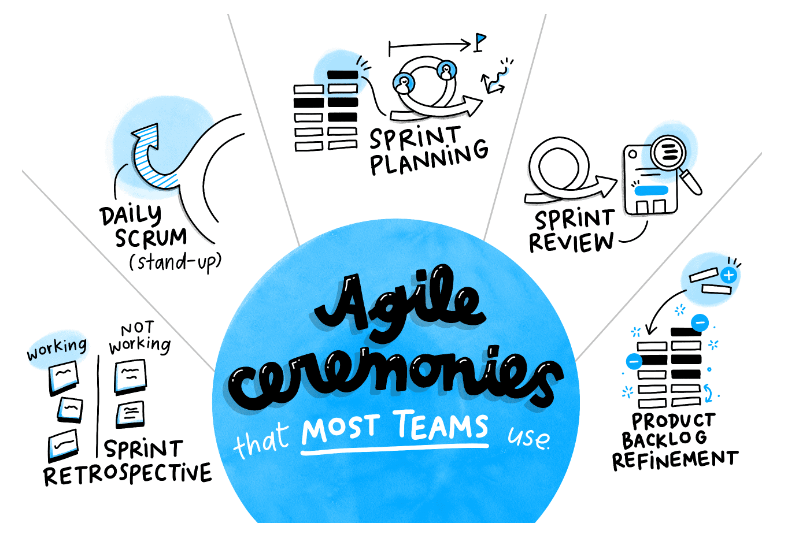
The Agile framework is structured around several rhythms and rituals that ensure a steady pace of progress while fostering a culture of co-operation and feedback. Notable practices within Agile include:
- Sprints: Short, time-boxed periods where specific tasks are completed, fostering a sense of urgency and focus.
- Stand-ups: Daily meetings to discuss progress and obstacles, ensuring transparency and early identification of challenges.
- Retrospectives: Regular reviews of what went well and what didn’t, aiming for continuous improvement.
- Kanban Boards: Visual tools to track the progress of tasks and projects, promoting transparency and visual management.
Well-Known Examples of Agile in Practice: Organizations like Spotify and Salesforce have used Agile methods to create a flexible and coordinated working environments, continually improve their products, and respond quickly to customer needs.
Part 2: Community Impact Challenges:
Steering through the challenges of the third sector, the pursuit of effective community engagement and impactful delivery is vital. It is crucial to gain support from stakeholders, funders, and the broader community as their trust and resources fuel the sector’s initiatives.
However, the transient nature of the sector, characterised by cyclic funding and project-based initiatives, demands a nimble approach to ensure stability amidst financial uncertainties.
Key Challenges:
- Trust Building: Establishing trust through transparency in operations and impact reporting is foundational. Trust significantly influences the effectiveness and sustainability of third-sector organisations and this is built through good governance.
- Resource Mobilisation: Diversifying funding sources is essential for financial resilience. Effective resource mobilisation strategies are crucial for longevity and impact.
- Impact Measurement: Utilising robust impact measurement frameworks helps articulate the value delivered to the community, attracting further support.
- Community Involvement: Involving the community in decision-making ensures initiatives align with actual needs. Community engagement models can enhance inclusivity and relevance.
Exploring these challenges lays the groundwork for discussing how Agile principles can catalyse a more robust, resilient, and impactful community service delivery in the third sector. The insights gleaned from understanding these challenges are pivotal as we transition into discussing the collaborative evolution at GET
Part 3: Collaborative Evolution at GET:
Agile champions a collaborative ethos. At GET, the journey began with streamlining processes using digital platforms like Monday.com and Xero. The transition starts a culture shift where innovation thrives, every voice is valued, and collaborative engagement becomes the norm rather than the exception.
As we started on our Agile shift at GET, several key process changes were initiated to foster a more collaborative and efficient operational framework. Here are some of the notable adjustments made.
- We move away from the traditional roles and responsibilities of board members.
- Adopt a Kanban board to track work progress.
- Establish Sprint planning at Board meetings.
- Members are empowered to take on, self-organise and complete tasks independently and then have the team check, review, approve and verify before items are marked as complete.
The team I work with all see this shift as the linchpin for enhancing engagement and ensuring that we, as a board, align closely with community aspirations and get things done.
Part 4: Stakeholder-Centric Approach:
Agile nurtures a stakeholder-centric ethos, promoting a culture of continuous feedback and adaptation. This mentality translates into deeper community engagement at GET, ensuring projects resonated with environmental concerns and community needs.
This stakeholder-centric approach is envisaged as a medium for ensuring projects remain relevant and value-driven. A great example was our Environmental forums and working with partners to understand how we make a sustainable action plan for our local area in Whiteinch and Scotstoun.
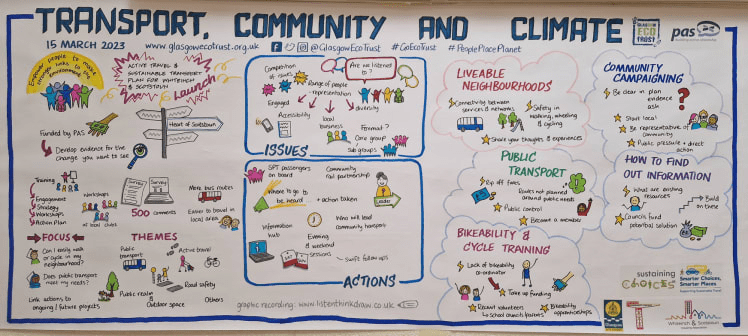
Also, it means engaging with members of the wider community who can be critical and constructive and ensure we build an inclusive, accessible, and reflective team. Current actions include working with CEMVO Scotland – to ensure we are reflective of our community and have the suitable structures in place to engage with a broader range of people.
Part 5 Cultivating a Growth Mindset:
Agile encourages viewing challenges as learning conduits. The mindset, as emphasised by our very own Senior PM Neil, translates into viewing setbacks or funding rejections as avenues to learn, adapt, and emerge stronger.
Despite funding cuts, the success element has been that GET has grown a more diverse range of revenue and continued to be secure and stable amidst the broader challenges during this cost of capitalism crisis.
This mindset is the bedrock for cultivating a culture of continuous improvement and resilience. In practical terms, this means we are continually building on retrospectives with our office and site teams, developing a well-established culture of reflecting and then using that to inform future work.
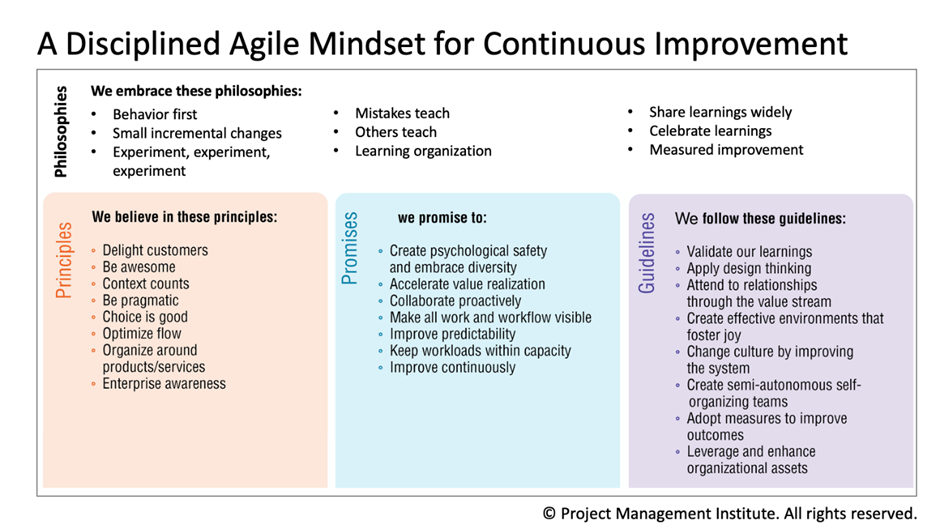
The disciplined Agile mindset ingrained at GET not only promotes resilience and continuous growth, but it’s an example for the third sector, unveiling a practical roadmap towards delivering impactful community projects amidst financial uncertainties.
By rooting operations in Agile principles, GET, and likewise other organizations, unlock a structured yet flexible approach to project management. This proactive adaptation to change, inherent in Agile, is the catalyst needed to drive more meaningful, enduring impacts in community engagements, making the third sector robust against adversities.
Part 6: Practical Agile at GET
Implementing Agile principles at GET won’t be entirely new or a marked shift. A notable project that has continually grown has been our Deil’s on Wheels our Revolve accredited community bike project. Through continual feedback, building solid relationships, leveraging tools for ease of payment, booking, and supporting customers, the project has evolved to meet community needs better.
The workshop and team adapted through COVID and continue collaborating with other workshops to ensure the whole community can access affordable, professional, and safe active travel options.
The success of this initiative underscored that Agile isn’t some dark art for professional consultants but can be seen at the coal face of community working and, through a little bit of tweaking, can go a step further.

Part 7: Agile Horizons in the Third Sector:
The encapsulation of Agile principles holds significant implications for the broader third sector. The agility to adapt to changing circumstances, engage communities deeply, and foster a culture of continuous learning is paramount.
By embracing an Agile mindset, third-sector organisations can pivot swiftly amidst changing circumstances – as I noted with Deils on Wheels, ensuring they remain at the forefront of societal change.
I would challenge my peers in the sector to embrace that culture of collaboration, campaign together, work in solidarity and leverage the various technologies available to us to ensure we are not bogged down with bureaucracy but are focused on delivering.
Agile Transformation Journey:
The journey towards adjusting to an Agile mindset at GET mirrors a broader aspiration within the third sector to become more adaptive and impactful. As the landscape of environmental advocacy and community engagement continually evolves, embodying Agile principles ensures that third-sector organisations remain potent catalysts for positive societal change.
Through collaboration, a stakeholder-centric approach, and a culture of continuous learning and adaptation, the Agile mindset emerges as the default position that many need to embrace to ensure that the transformative potential within the third sector is achieved.
Read more: Agile Adaptation in the Third Sector- Scot Gov – Introduction to Agile delivery
- UK Gov – Agile delivery
- Agile Alliance
- PMI Agile Certifications





Leave a reply to Embracing an Agile Mindset in Daily Life – Horizon Glasgow Cancel reply