Adapting with Agility: Enhancing Daily Life
For those who read my previous blog, I discussed adopting the Agile Manifesto in the Third Sector. This post is about how embracing Agile in your daily life can be even more beneficial.
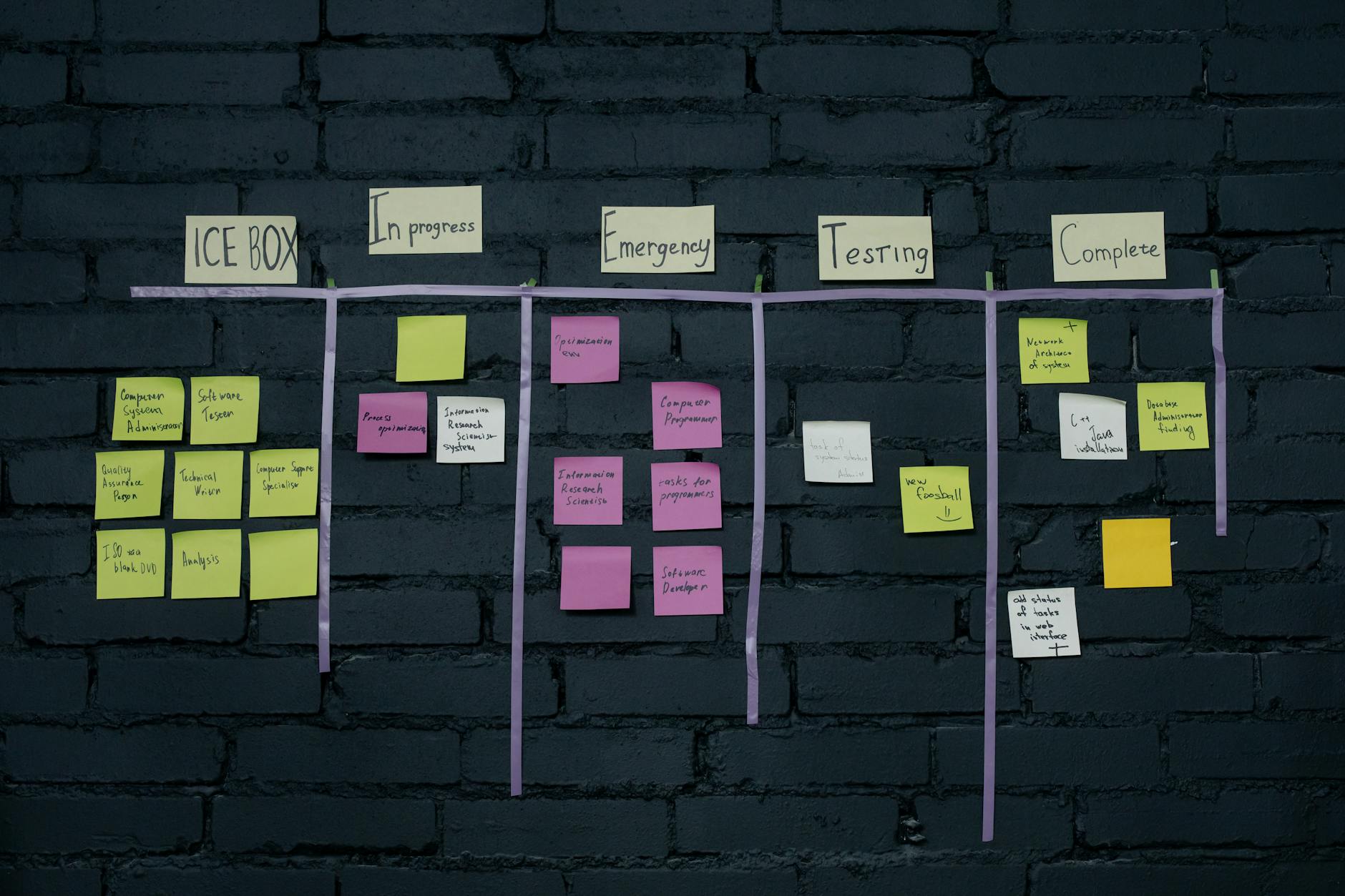
But a quick reminder of what the “Agile Principles are –
“Individuals and interactions over processes and tools
Working software over comprehensive documentation
Customer collaboration over contract negotiation
Responding to change over following a plan.”
focus on the left of these statements rather than the right
How does this apply to your daily life?
My interpretation starts with individuals & interactions. Building relationships: It’s not about cutting out negative people for positive reinforcement. That’s phoney. The best people in my life are those I disagree with on many things.
Discourse, deliberation, and engagement over ideas and actions are crucial for relationship building. Sharing our thoughts and feelings is a marker of trust. It’s a two-way street.
Working Software, what does this mean in a personal context- For me, it is about getting stuff done. It is about looking at achievable goals and putting the structures that will help you achieve them in place.
A domestic example for my wife and I was eating better and getting fitter. Starting small, my wife and I gradually cut out animal products meal by meal. We slowly built up our running and cycling distances. Three years later, we are entirely vegetarian. Inspired by Game Changers, Seaspiracy, and most recently, You Are What You Eat: A Twin Experiment, we’ve lost weight and feel healthier and fitter.
Collaboration: Accept that you need people. You are not the master of your domain. Lean on others, reach out for support, and embrace conflict as an opportunity for collaboration.
Responsiveness and Adaptability: We are not fixed individuals. We change, we age, we experience emotions. Roll with the punches. If things aren’t working, reflect, learn, and adapt. Fail fast, fail often and move on.
Reflection: Focus on broad values, not just specific goals. Consider the end and treat each challenge as practice for the next. This way, we adopt the traits and outcomes we desire.
As noted about diet and exercise, I have taken this into football coaching, my learning, work challenges and relationships.
Remote Work as a Gateway to a Healthier Lifestyle
Two stone lost (12.7kg), 5,000km cycled, vegetarianism, no longer car dependant, additional certifications, new jobs, promotions, more time volunteered, more money and generally more happiness.
This indulgence isn’t my inner narcissist demanding admiration but an acknowledgement of what remote working has allowed me to do.
Allow me to explain.
Firstly on the work front. Agile and traditional work practices emphasise being in the same place and working close to people. However, I needed something else.
Remote work done. Travelling for specific meetings can make work more productive. For all the talk on the benefits of co-location and open offices – I didn’t buy it.
I was often distracted by others, the general noise in an open-plan office, the terrible habit of group thinking and following the leader, not to mention the random fire alarms, impromptu events, etc. – see the Vox Open offices are overrated for a fun explainer.
Sometimes, all I needed and wanted was the time to review items, analyse them, and make assessments before sharing them with others. Tools such as MS 365 and Google Workspace have allowed real-time collaboration and communication, so the need to constantly go back to someone’s desk or even play email tennis is gone.
If people learn to leverage the technology for them rather than see it as a stumbling block, they can get their time back.
Time is the crux of the matter for a healthier lifestyle.
The penny dropped when I started my remote work journey before the pandemic, unknowingly stepping toward a healthier lifestyle.
I started altering my work patterns and habits. Waking up early, I tackled admin tasks and training first thing.
Then, I’d go for a cycle or a walk.
By lunchtime, I was preparing homemade soup or salad. Afternoons were for work meetings, and evenings became my time for personal pursuits. It felt liberating.
I was no longer driving, going to the train station, or sitting on a bus. Gone were the days of thinking, I’ll pop into the roll shop because I have to miss breakfast to catch that train, or somehow feeling I wasn’t a productivity hero by not getting up at 6 am.
Listening to the guys from the “Who Gives a F**K” podcast on their episode on “What Everyone Gets Wrong About Goals” I learned that one of the key take aways was thinking about putting in place structures to allow me to achieve goals rather than just making a goal.
Often the structures would support self imprvoement.
My professional development, my physical and mental health were bolt on’s focused around my work but now I integrate work into my life.

Professional Growth Through Remote Working
Remote Work: Catalyzing Professional Development
The shift to remote work wasn’t just a benefit for my health. It was a catalyst for my professional development and ultimately benefited my employer.
In the quiet of my home office, I found the space to dive deep into new different challenges, from analysing council spending with Jacobs to reviewing a range of different subject areas (as seen in another blog, costs of roundabouts), not to mention my Excel skills and learning data analysis concepts, and taking on GIS tasks.
The flexibility of remote work meant I could allocate time for online courses in software development- JetBrain and project management – PMI. These weren’t just new skills but new ways of thinking, breaking down tasks into manageable chunks, and constantly iterating to improve.
This learning environment fostered a heightened sense of creativity. Free from the constraints of a traditional office, my ideas weren’t confined to the usual 9-to-5. Inspiration struck at different times, and I randomly jumped back to things when I had the time.
This is backed up by the evidence, research shows remote workers often pursue additional training and skills development.
I see this with my partner; she’s changed her life. She left the consulting behind and moved into Interaction Design at the Glasgow School of Art.
Her ability to wake up with an idea, carry out a range of tasks, get inspiration from a TV show, chat and then hit coding at 9 pm when everything is settled is still impressive.
For us, this meant acquiring new skills and trying new approaches to work and learning, and through that iterative process, try it. If it fails, learn the lessons and move on.
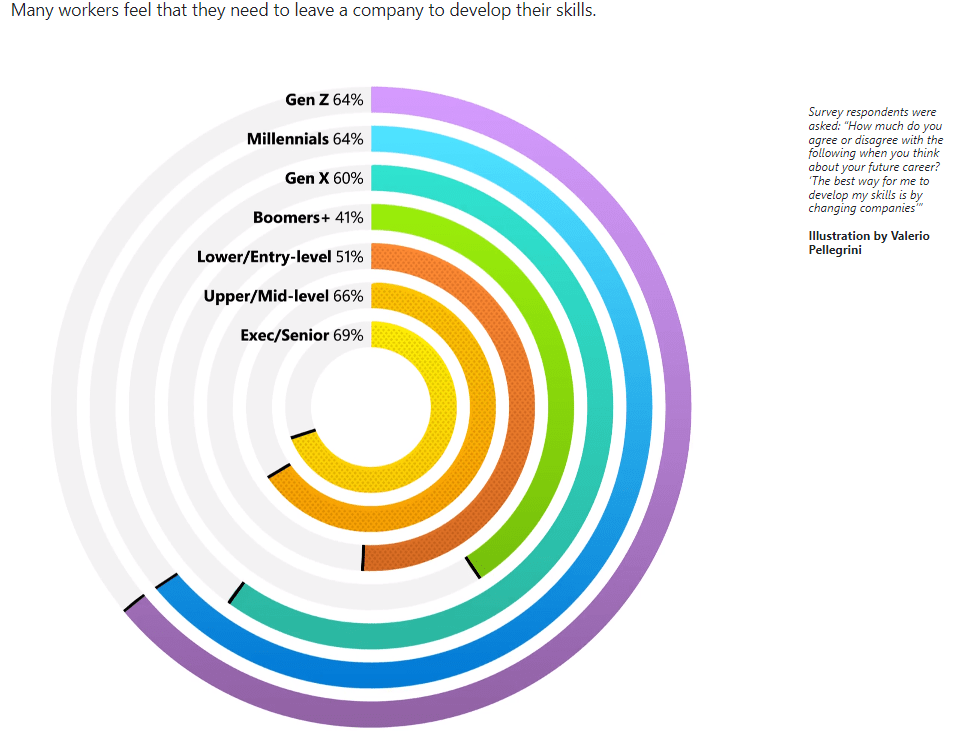
This aligns to a great article from Microsoft , that if, like me, people can’t learn , they’ll leave. So encourage people to learn, support learning and build capacity and capability.
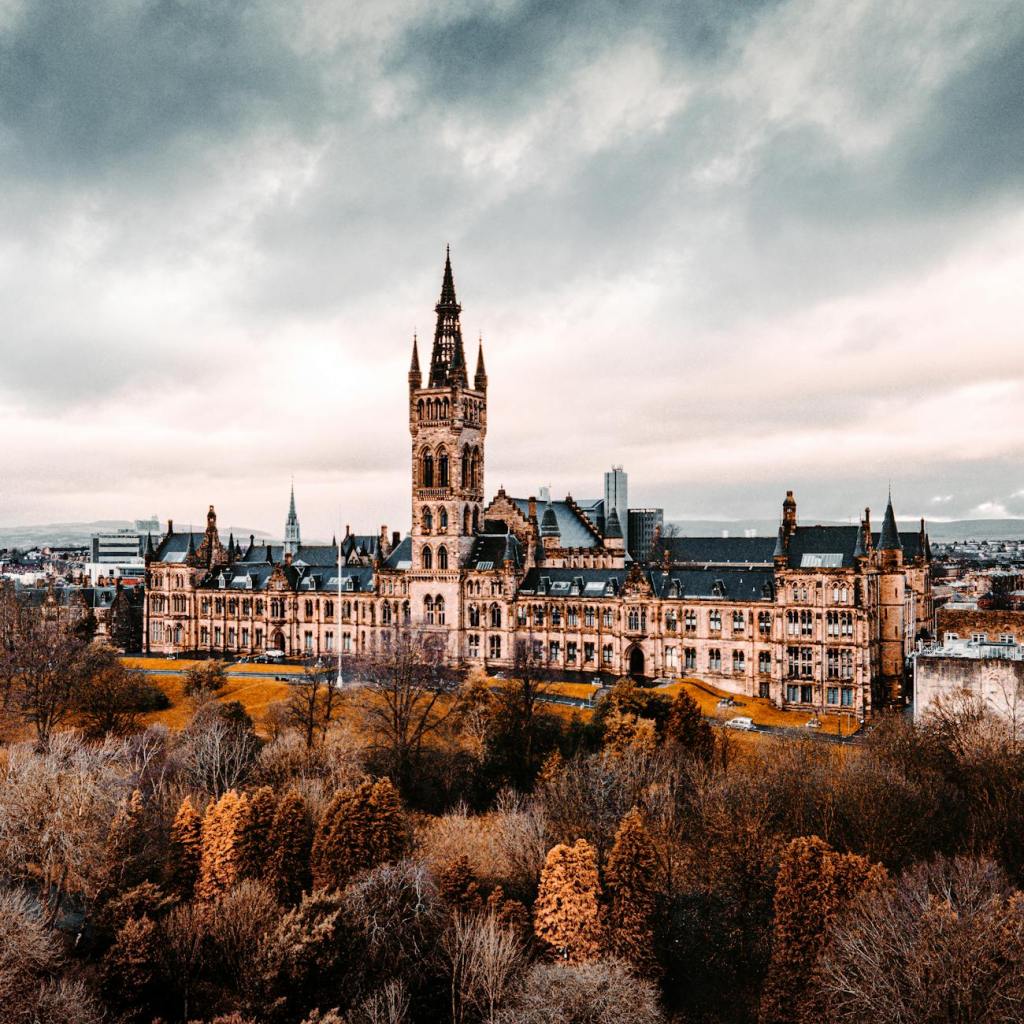
Benefits for Glasgow: The Remote Work Evolution
Redefining the City: The Remote Work Evolution
Now, a quick disclaimer: this final paragraph will be the pre-cursor for my “People Make Glasgow” part two.
But I couldn’t consider the changes my partner and I made via remote working, change of diet, and exercise without thinking about the knock-on effects on our community. When you scale our behaviours up, it can have a dreadful impact on certain types of city life……
The transformation of work culture in Glasgow, where thousands of office workers now have hybrid working or from home has reshaped our city profoundly.
Glasgow is experiencing short-term pain; it is a particularly hollow city regarding density, with over 60 years of suburban sprawl – new towns, out-of-town shopping, and car dependency all compound problems that many UK towns and cities are battling.
- Greedflation – Inflation driven by excessive corporate profiteering rather than rising costs.
- Property land banking – The practice of purchasing land as an investment, holding it without development.
- NIMBYism – “Not In My Back Yard,” a mindset where people oppose local developments beneficial to the broader community.
- Austerity – Economic policy focused on reducing government debt through spending cuts.
So, as more Glaswegians embrace remote work, the city’s fabric changes, heralding a new chapter for the local economy and environment that is difficult for people to adapt to.
The town can appear devoid of life some nights……and that is because it is. Few people live there, but rather than look at the urban fabric and strategy, many folk live in some political mirror world where all problems relate to the “Woke” policies and SNP & Green governance and ignore the abovementioned points.
Some believe that if we returned to the good old days of extraction and exploitation and didn’t say, don’t tell, or ask, ignore health impacts, air pollution and remove regulation we would somehow return to the land of milk and honey….because apparently Glasgow has never been as bad as it is today.
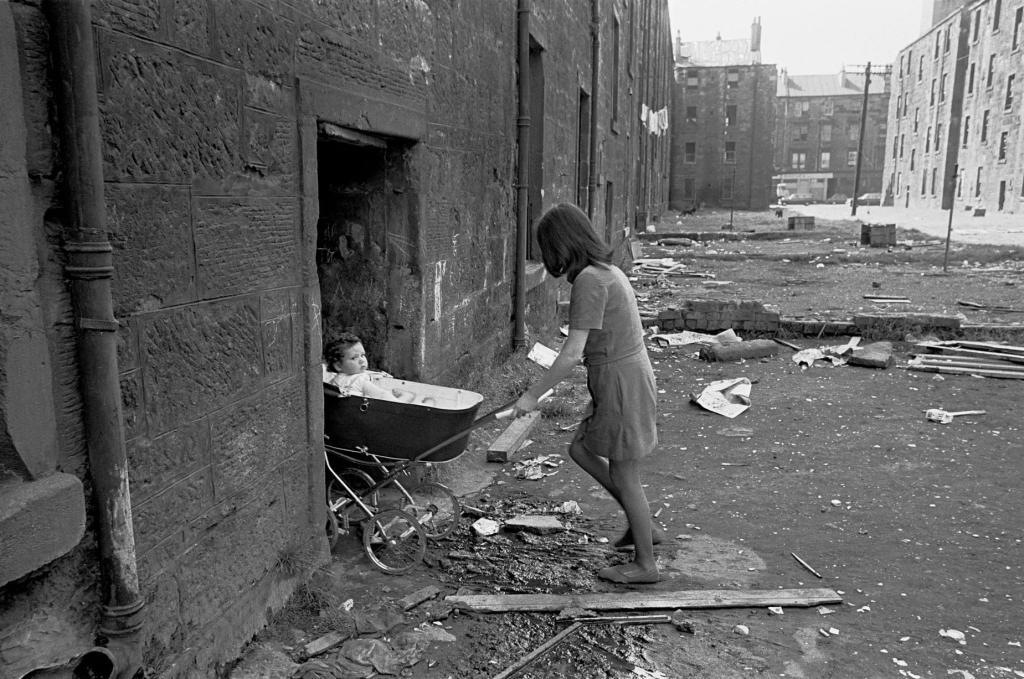
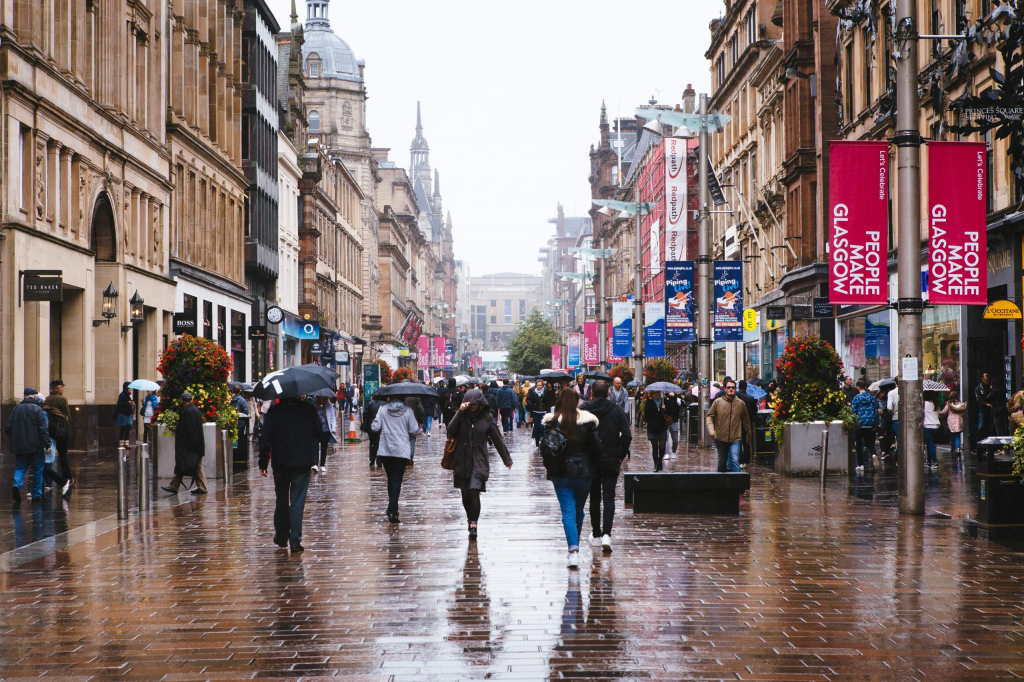
I believe the Green & SNP Vision 35 policy of re-populating the city centre with people who live there(as opposed to the transient city centre it is now) is the key to getting the engine of the Glasgow economy going again, and this must start with making the city less car-centric, more liveable and more accessible for all, not just those in the suburbs.
With this policy and many significant and exciting developments, some parts are starting to be realised.
This strategy means people like myself and many others who can and want to live in the city are no longer commuting and don’t spend that money on daily commutes. We spend that money on and in the town, on services, amenities, and leisure, captured in the local economy helping the new and innovative developments on our doorstep.
It hits my earlier point – TIME – less time spent in transit means more personal time and less traffic congestion and pollution.
It’s a win-win for individuals and the city.
My vision for Glasgow: Imagine a Glasgow where Bath Street, etc., and the gap sites along the Clyde were full of people who lived there, the city centre had high schools, primary schools, Dr. clinics, more fruit and veg and lively neighbourhoods and a stronger sense of community. This dream is happening, but there is a battle to be had.
Conclusion: Embracing Change for a Better Tomorrow
As we enter 2024, the lessons learned from adopting an Agile mindset and the shift to remote working are not just personal triumphs but blueprints for a broader societal transformation.
My journey, a blend of personal health improvements, professional development, and a reimagined work-life balance, mirrors the potential path for many others and the city.
The Agile mindset goes beyond work methodologies; it’s about adapting to life’s ebb and flow, embracing flexibility, and prioritising what truly matters.
My personal experiences reflect this, showing that adjusting our lives to what works for us – health, professional growth, or daily interactions – enhances our well-being and contributes to a more significant change.
In embracing these changes, Glasgow stands on the cusp of an exciting era. Reduced commuting, rebuilding old neighbourhoods to enable a flourishing local economy, and vibrant community life are not distant dreams but emerging realities.
As individuals and a city, our collective shift towards more sustainable, balanced, and fulfilling lifestyles paves the way for an innovative, bold, and thriving future.
This personal and communal transformation journey underscores a powerful quote that stuck with me from a former life.
Romans 12:2 (NIV):
“Do not conform to the pattern of this world, but be transformed by the renewing of your mind”
As we continue to adapt and grow, let’s keep our minds Agile, our actions impactful, and our hearts open.
Some Further Reading


 Horizon Glasgow
Leave a reply to Iain Mc Cancel reply