

Switching to a plant-based diet is one of the most impactful decisions my wife and I have made. That might seem like an odd thing to say standing in Krakow, surrounded by pierogi, pork stews, and the best fresh produce I have seen all year, but that is exactly what this trip reminded me of.

That might sound like an odd conclusion to reach while wandering around Krakow. Despite all the history and politics you could focus on in this brilliant city, what struck me most on my third trip to mainland Europe this year was, again, the quality of the produce and the incredible local food.
I had gone in expecting old-fashioned hearty plates of pierogi, pork stews and animal-broth soups, just as many visitors to Scotland expect IRN-Bru, chip shops, seafood, and haggis. Those things are there, of course, but there is so much more going on in both food cultures than the clichés suggest.
So why be nervous? My good lady and I are vegetarians. We have been veggie for 2 to 3 years after slowly reducing our animal consumption over the last five years. Occasionally, when abroad, if it is a local speciality, we will allow ourselves to abandon our standards for the local cuisine. My general motto is not to be puritanical but to try to relax.
Taking inspiration from that visit, I argue that adopting a plant-based diet is one of the most impactful steps you can take to enhance your health and alleviate environmental pressures.
Why a Plant-Based Diet Is a Health Revolution
Redefining Health Beyond Weight Loss

So I’m going to start with the first part, health.
What do you think of when you think of a healthy diet? For the people in my life, it often focuses on weight loss. I usually focused on energy and protein – growing up, playing football and running. Similar to many men.
The Catalyst

So what changed on that front.
The catalyst was my wife’s health. After a year of chemo, radiotherapy and surgery related to an oligodendroglioma.
One of those chemo months was delayed by our oncologist. He informed us that my wife’s blood platelets were too low to support chemo. She should eat more orange vegetables, as they have the right mix of nourishing nutrients and amino acids. So her mum (June) jumped and bought us a Nutri Bullet and a box of pumpkins, squash, carrots, red lentils, and tomatoes. Between smoothies, soups, salads, roasts, and even deserts, we arrived the following week.
Result platelets at a level where treatment could resume.
The link between diet and treatment outcomes is not anecdotal. A 2024 umbrella review in PLOS One found that plant-based dietary patterns are associated with reduced cancer risk and better cardiometabolic profiles, including lower inflammation and improved lipid levels.
This started the chat: how does our diet impact our health. Other than the obvious consequences of overeating and gaining weight (something I was already doing well), we started to think a bit more deeply about food, not just as fuel or fun, but also about nourishment.
Re-Framing Perspective on a Plant-Based Diet
After watching popular documentaries such as Gamechangers and What the Health and our personal experience, we decided that going plant-based was the way to give ourselves the best chance of leading a healthy lifestyle.
We approached going veggie and reducing animal consumption on the simple principle of “the carrot and the stick.”
The Carrot of a plant-based diet
We had experienced the carrot; nourishment from food allowed my wife’s body to absorb her treatment and continue the good fight. Reading the book Nourish also gave us a greater appreciation of the micro and macro nutrients available in fruits and vegetables to get that protein fix for working out and carbs for everyday functioning.
It became clear and evident that being plant-based and eating mainly veg and some fruit would meet all our needs.
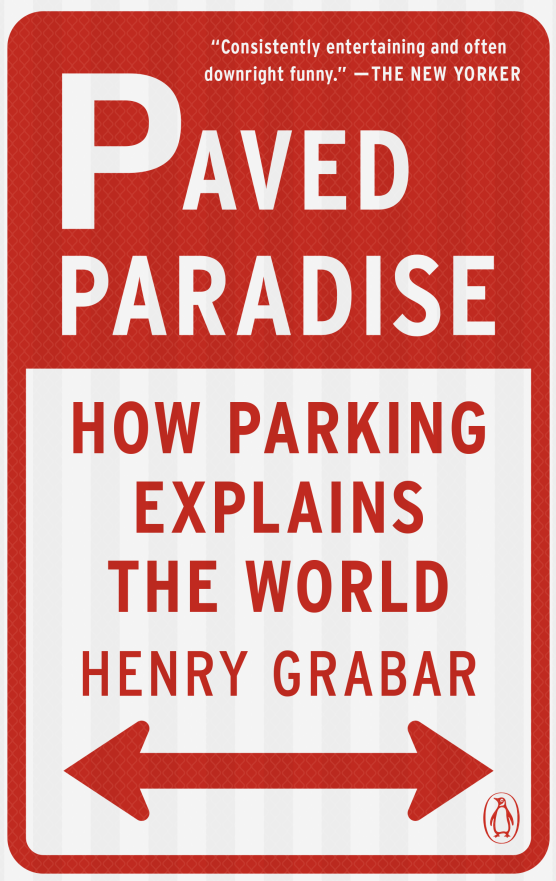
There are mountains of evidence out there; Plant Chompers has put me onto so many great sources.
One to get you started: you can’t help want to watch and read more on the subject.
The Stick: Why Eating animals is bad for us?
This is the part where I think about what we save ourselves from when we don’t eat animal-based products. The feat factor.
I will keep this simple and link to the research. Going veggie saves us from the increased likelihood of
With this in mind and having the personal challenges my wife has, as well as seeing first-hand the implications of my Grandparent’s poor health, they suffered from Strokes, Cancer, and one suffered from the challenges of obesity.
A 2024 Office of Health Economics study found that if everyone in England adopted a plant-based diet, the NHS could save £6.7 billion per year and prevent 2.1 million cases of disease.
This experience ensured that what we consumed daily became the foundation of a healthy lifestyle.
The Animal Welfare Case for a Plant-Based Diet
The divorce between love the of animals and the killing to consume animals

This is where people usually get even more annoyed or claim that I’m preachy and judgemental when discussing plant-based eating.
The health part is often more of a personal choice; people can choose what they want to consume without feeling guilty.
But where the lashing out is when people feel bad for their choices, and rather than acknowledge, they lash out.
As I said, we are not perfect, we are not and nor should we aim to be puritanical, but the least we can do is acknowledge where we are wrong, put our hand up and then try to be better.
People’s consumption of animals is obsessive and ridiculous; the meat industry has put animal parts in everything and in every possible way.
Try ordering a simple takeaway sandwich; flesh floating in flavoured mayo is the usual choice for many.
Milk and dairy aisles are tens of metres long in every shop.
We have made the process of impregnating animals, throwing their babies in the bin (if they are useless) and then consuming their milk as a matter of course. The mere suggestion of drinking Oat Milk, Almond milk, Soy sends people in an apoplectic fit of rage.

But just imagine doing that to your pet dog or Cat. Getting it pregnant routinely, chucking the litter in the bin and then just milking it for your morning tea…..you weirdo.
PS. I’m sure I’m stealing this from a comedian, but I can’t remember who and when, so if you have the link, please share.
Then people talk to me about not being an animal lover, as if I’m missing my soul because I look at animals indifferently; they are cute and funny and bring many emotional and physical benefits. I get it, but my look of aloofness is to those who say they love animals while happily participating in the mass destruction of them. Our global biodiversity and ecosystems are under severe threat because of our love for munching chickens, cows, and pigs at any point in the day, every day.
So come on, let’s make the change, as Scotland currently has one of the lowest rates of plant-based diet adoption in the UK just 2% of Scots identify as vegan or plant-based, compared to 3% nationally.” This challenges your readers directly.
So please watch this for humour and the absurdity of eating animals.
How a Plant-Based Diet Tackles Climate Change
Avoiding Animal Products Will Help Mitigate Climate Change From Personal Choices to Global Impact

Now that I have made you feel awkward about eating animals based on your love of your pet, let us get to the business end. You have improved your health and stopped making your dog or cat worry that they are next on the chopping block.
The final part of the argument is climate change and biodiversity and how a plant‑based diet actually helps.
The data is irrefutable, and the scientific consensus is clear. From voices like David Attenborough and Chris Packham, to discussions that began in the 19th century and reached Congress in the 1980s, through the COP process and high‑profile campaigns by Al Gore and Leonardo DiCaprio, the impacts of climate change have been laid bare.
Now Greta Thunberg, Just Stop Oil and Extinction Rebellion have taken more direct and peaceful action, yet idiots persist.
You might think that is harsh, but if you can ignore all the information and science, you are either corrupt or an idiot. Most people are simply corrupt in the sense that they are wedded to an ideology, politics, or business model that would have to change, so they do all they can, in the words of Michael Mann “to distract, delay, deny and, worst of all, denounce those who tell the truth”.

So, off the soap box: how does not eating flesh affect climate change? Imagine we all embraced a plant‑based diet. Imagine our supermarkets those billion‑pound profit‑generating temples of capitalism. They would still exist, but they would not have aisles dedicated to murder.
In making that change, we would slash our agricultural land burden by around 75%. This dramatic decrease comes from reduced need for grazing land and fewer crop fields devoted to animal feed. A staggering share of the world’s habitable land is currently taken up by animal agriculture; most of it is reserved for livestock, meat or dairy, and the animals do not just graze freely a significant portion of their diet comes from crops like soy and cereals grown specifically to feed them.
Crucially, studies highlight a pivotal point: opting out of animal products and choosing plant‑based substitutes has a far more profound impact on land conservation and emissions than simply cutting back on beef. Many people think switching to chicken or fish is still fair game, and that the environmental impact of killing these species is negligible. It is not. Just watch Seaspiracy or look at how much the chicken industry has contributed to disease and pollution, George Monbiot’s reporting is a good start.
So it begs the question: what if we all switched to a plant‑based diet? How much land could we save? How much less manure, urine, and gas would end up in our soils, waterways, and atmosphere? And how much more space could we give back to forests, wetlands and wildlife, instead of dedicating half the planet to feeding and housing animals we plan to eat?
In Conclusion
Switching to a plant‑based diet has been one of the most positive changes in my life. After seeing the dramatic health improvements in my wife, I realised the power of plants to nourish and help the body in ways that go far beyond calories or protein. Then I learned how animal agriculture damages human health, the environment, and the animals themselves, and it became impossible to unsee.
It has not always been easy. Rejecting the standard Western meat‑and‑dairy diet meal after meal means going against habits, culture, and convenience. But it has opened my eyes to a new world of flavourful, wholesome foods. My energy levels are better than ever, and I no longer have those post‑meal slumps.
Beyond the personal benefits, going plant‑based has allowed me to take a stand against a destructive animal agriculture system. By opting out of meat and dairy, I am playing a small part in reducing greenhouse gas emissions, freeing up land for wilderness, and sparing countless animals from miserable factory‑farm existences. The evidence is clear that a global shift towards plant‑based diets could cut agricultural land use by around 75% and dramatically lower food‑related emissions.

This is not about perfection or judging others. It is about making compassionate choices that align with my ethics and my desire for a sustainable future. To anyone on the fence, give it a try. Take it one day at a time and give it a bash; you will be surprised just how much is out there.
Even small steps matter. Doing Meatless Mondays or signing up for Veganuary is enough to start. If we all chip in to reduce our consumption of animal products, we can help create a healthier, fairer and more sustainable planet.



Leave a Reply